
Stress and Anxiety Around the Holidays: How to Help Your Child Enjoy the Season
Children can feel stress around the holidays for a variety of reasons. The number of people at the gatherings may make them uncomfortable. Or the change in routine may give them anxiety. They feel unsure of what to expect and that in turn makes them feel stressed.
You may not even know exactly what about the holidays seems to trigger your child. You just know that this time of year is difficult for them, and you want to help in any way you can.
Here are some tips to help make this holiday as smooth and enjoyable as possible.

Children can feel stress around the holidays for a variety of reasons. The number of people at the gatherings may make them uncomfortable. Or the change in routine may give them anxiety. They feel unsure of what to expect and that in turn makes them feel stressed.
You may not even know exactly what about the holidays seems to trigger your child. You just know that this time of year is difficult for them, and you want to help in any way you can.
Here are some tips to help make this holiday as smooth and enjoyable as possible.
First, Make Sure That You Are Taking Care of Yourself
Calm, like stress, is contagious. Whatever you are feeling, your children are going to be feeling too. So be sure to preemptively take some time to yourself this holiday season.(1) Spend a few minutes a few days doing something relaxing that you enjoy like reading a book or going for a walk.
When you start to feel overwhelmed, take a deep breath and remember that you are setting the example for how you want your children to respond when they are stressed. If you’re in the same room as your kids when something goes awry, talk through your feelings and coping mechanisms out loud so that they can witness how you work through them.
When you take good care of yourself, you are better able to take care of others.
Keep the Routine as Similar as Possible
While the holidays usually mean special meals, family gatherings, and fun events, try to keep the routine as similar as possible to normal.(3) Their day-to-day activities will be different but stick to their sleep schedule and nap schedule as closely as you can. Plan activities around those times or set up a sleeping space where you are visiting. Overtired children are less emotionally regulated and will only feel worse as they get more and more tired.
If you know that your child struggles with transitions and changes to the routine, prep them ahead of time. Let them know what is going to happen and what to expect. While this may not prevent all issues, it will likely be helpful. You can also try keeping similar things in their routine like bringing their favorite meal along with you wherever you’re going or letting them bring a favorite stuffed animal.
Manage Expectations
Know that, with children, nothing is going to go 100% smoothly. That’s okay. The holidays can still be a fun time with a few bumps in the road.
Have realistic expectations for your children and the event will help everyone feel better. If your expectations are too high, you will only feel disappointed. Plan ahead by taking an extra pair of clothes and a few snacks and know that everyone will have fun even if a few things go wrong.
Keep Your Kids Active
Kids have a ton of energy; we all know this. When they’re cooped up in a car or a dinner chair for too long, they’re more likely to start acting out. This is most often because they just need something to do to get out all the energy that is inside of them.
Encourage them to get outside and play if the weather where you live allows them to. If that’s not possible, you can try setting up an obstacle course indoors or encouraging them to do jumping jacks. Anything that gets their body moving will help them get out that energy.
Spend Quality Time Together with Your Family
Big get-togethers with aunts, cousins, and great-grandparents can be a lot of fun. However, they can also be very stimulating to some children and adults. For these individuals, the event will likely leave them feeling drained.
Try to block out time that will just be spent with your immediate family or close friends.(2) Discuss with your children some family traditions that you would like to start doing. Especially for children that really like routine, they may also really like having yearly traditions.
Do Something As a Family That Helps Others
In a season that’s often filled with gifts, it’s important to also emphasize to our children the importance of giving back to others. Consider volunteering at your local food bank or animal shelter. Or you can bake sweet treats for your local nursing home or neighbors.
There are so many options for charities that need donations around the holiday season. You could also encourage your children to earn money to donate to these causes.
Avoid overscheduling
It’s easy to run from one event to the next during this season. There are so many people to see and so much fun to be had. However, there can be too much of a good thing.
Try to create enough space in your schedule so that you don’t feel like you’re always running late for the next thing. This stress will also be felt by your children, and coupled with the normal stress of the holidays, it can quickly become overwhelming.(4)
Schedule Quiet Time
Avoiding overscheduling is a great first step, but you can take it even further by prioritizing quiet or rest time. Everybody needs time to decompress and recoup after big events. Especially on days when the schedule is full, schedule time in the middle of the day for your children to rest.
This time will give them the chance to emotionally reset and be in a better mood for evening activities.
All of these tips will make this holiday season one that everyone in your house will enjoy. Just remember that it doesn’t need to be perfect; it just needs time spent with the people that you love most. Adapt your schedule and events to meet your kids’ needs, and it will all be okay.
For many parenting tips right in your email inbox, be sure to subscribe to my newsletter. You can also learn more about each stage of development and various mental illnesses on my podcast, Genius Little Minds.
References

Two Mental Health Events With a Common Thread: Friendship and Connection
Our children’s mental health and our own mental health can feel like topics difficult to tackle. Being equipped with the right knowledge, however, can make all the difference.
Mental health events can do exactly this. They often have speakers, online forums, and other resources to help make difficult topics easier to understand and talk about. A theme often ties the event together to focus on one area of mental health.
Both events that are happening in May very fittingly chose to focus on connection and friendship.

Our children’s mental health and our own mental health can feel like topics difficult to tackle. Being equipped with the right knowledge, however, can make all the difference.
Mental health events can do exactly this. They often have speakers, online forums, and other resources to help make difficult topics easier to understand and talk about. A theme often ties the event together to focus on one area of mental health.
Both events that are happening in May very fittingly chose to focus on connection and friendship.
US Children’s Mental Health Awareness Week
This week-long event will be celebrated in the United States from May 1st to the 5th. The Youth Mental Health Project heads this event and offers up online events to educate on children’s mental health. These events can be attended by teachers, parents, and friends alike from anywhere in the world.
To learn more about the events during Children’s Mental Health Week visit: https://ymhproject.org/cmhaweek/
Find Connections. Build Community
This theme is a very understandable one after the world has felt the isolation of being in a pandemic for over two years. Many of us found ourselves staying home 24/7, only having contact with the people we lived with (if you didn’t happen to live alone).
Most of us had never experienced that before. We had never known a time when friendships, school and work relationships, and community events were cut off so completely and with so little notice. Our world changed almost overnight.
And many people’s mental health suffered because of it. The rate of anxiety and depressive disorders in adults quadruped.(2) Many parents reported that their children’s mental health worsened or was at the lowest it had ever been as a result of the pandemic.(3)
We need a shift, a path back to wholeness and health. The best way to get through is with one another.
A Sense of Belonging
Friendship and community are two things that every person is looking for. Some people look for belonging at their favorite sports or events, some look at church, and others look at their job. Everyone wants a place where they are wanted and needed. They want a place where they can be 100% who they are and are accepted in that form.
You may think I’m speaking of adults when talking about this, but children seek this sense of belonging as well. Children want to fit in with their peers; they want to be accepted and appreciated. They want meaningful relationships with their parents or other adults in their life.
While these wants may simply seem to be what we desire, they are also a necessity for mental health. Leaning on each other when times are tough, helping one another get professional help, and providing safe spaces for one another are essential to our well-being.
Understanding One’s Struggles and Perspectives
Connections and relationships with people who emphasize with one’s struggles are invaluable. Feeling that someone truly understands what you’re going through and has maybe even experienced it themselves brings a certain comfort.
Support like this can help youth who would not otherwise reach out for help feel confident enough to do so. Since we know that up to 47% of children and teens with certain mental illnesses do not receive treatment, the importance of this cannot be overstated.(1)
Adults need to be well-educated on the signs and symptoms of mental illness to be able to spot it in children. They also need to be in a close enough relationship with that child to empathize with their struggles and offer support and help.
UK Mental Health Awareness Week
UK’s Mental Health Awareness Week is celebrated from May 9th to the 15th. The Mental Health Foundation provides a variety of resources for parents and teachers to use to be better equipped to talk to their children about mental health.
To learn more about UK Mental Health Awareness Week and the events it’s hosting visit: https://www.mentalhealth.org.uk/blog/why-loneliness-theme-mental-health-awareness-week-2022
Loneliness
UK’s Mental Health Awareness Week picked its topic with the very same experiences in mind. Everyone around the world has been in this pandemic together. Though various countries have experienced spikes and lockdowns are different points in time, everyone has experienced them at some point.
The mental health implications of the pandemic have also been felt worldwide. One study found that people were reporting intense loneliness at three times the rate experienced before the pandemic.(4)
Loneliness can be detrimental to mental health, gnawing away at a person’s sense of self-worth and satisfaction with life. It has also been shown to lead to higher rates of mortality and poorer physical health outcomes.(5)
Many children have struggled with the loss of time at daycare or school, time that was spent playing with other children and building friendships. Suddenly one day, it was gone, and their young minds couldn’t fully understand why.
We should not be surprised that children’s mental health outcomes were also at a very low point. The pandemic has thrust loneliness upon them too.
Share Your Stories, Break The Stigma
The statistics tell us that no person is alone in their feelings of loneliness. So many are experiencing the pain and heartache of not having the social connections that they really want.
Together we can tackle loneliness. It is possible. We just need each other.
We can share our stories with one another, relating to each other’s struggles and finding a connection in that. Sharing publicly, during an event like Children’s Mental Health Week, helps break the stigma that admitting to mental health struggles makes one weak. More and more children and adults alike will feel the strength to come out from the shadows, share their own stories, and receive the support and help they desperately need.
Over the next few weeks, as these events take place, have the courage to engage in those hard conversations. Talk with your children about how they’re really doing, how they’re feeling on the inside. Check on your neighbors and friends. Ask your coworkers how they are.
We’re all in this together.
For more tips on child mental health, be sure to subscribe to my newsletter or check out my podcast.
Resources

The Winter Blues: How Seasonal Affective Disorder Can Affect Children
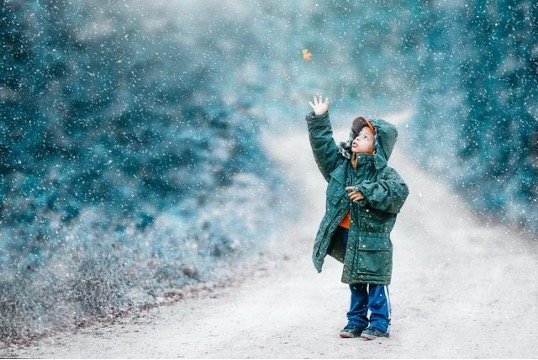
Winter. The days are shorter. It gets dark before dinner is finished. It’s hard to get outside. There are so many dreary, overcast, no-sunshine-in-sight days.
Winter also contains some of the most fun activities of the year. Building snowmen and drinking hot cocoa to warm up afterwards. Enjoying holiday traditions and seeing your child’s face light up as they open gifts. The list could go on and on.
Winter. The days are shorter. It gets dark before dinner is finished. It’s hard to get outside. There are so many dreary, overcast, no-sunshine-in-sight days.
Winter also contains some of the most fun activities of the year. Building snowmen and drinking hot cocoa to warm up afterwards. Enjoying holiday traditions and seeing your child’s face light up as they open gifts. The list could go on and on.
Many people, though, find the weather and darkness of winter to be a difficult time of year. Even children can struggle with the changing of the seasons. But when sadness in winter becomes severe, the person may be suffering from seasonal affective disorder, or SAD.
What is Seasonal Affective Disorder?
Seasonal affective disorder is characterized by the following symptoms:
● Intense sadness(1)
● Irritability
● Feelings of tiredness
● Decreased performance at work or school
● Lack of interest in previously enjoyed activities
● Change in appetite
● Lower self-esteem(2)
● Feelings of loneliness or disappointment
● Isolating from friends and family
● Suicidal ideation(3)
While SAD has all the same symptoms of major depressive disorder, the symptoms of SAD are only felt during certain months of the year.(3) It is most common for people to experience SAD during the fall and winter months. However, it is possible for people to experience summer-pattern SAD that presents as the same symptoms but in spring and summer.(5)(6)
Many people struggle with the lack of sunlight and the limited amount of time that can be spent outdoors during the winter. But if a person is experiencing many of the symptoms above in an intense way and for longer than two weeks, they may have SAD.
Mild SAD may be cured simply by the arrival of spring. But severe SAD, left untreated, can become so debilitating that the person has trouble functioning.
What Causes Seasonal Affective Disorder?
While we don’t know the exact cause of seasonal affective disorder, it is likely related to the levels of serotonin and melatonin in our brains.(1) The lack of daylight can disrupt the balance of serotonin, which regulates moods, and melatonin, which regulates sleep.(2)
How Does Seasonal Affective Disorder Differ In Adults and Children?
Seasonal affective disorder presents with the same symptoms in children as adults. One place that we may see symptoms in children that we don't see in adults is at school. Children may have difficulty focusing in the classroom or may be acting out more often. It can be difficult to understand why children are acting this way, but it is important to consider a SAD diagnosis if the behaviors begin in the winter months or the parents have expressed other concerns.(4)
Children are at a higher risk of developing seasonal affective disorder if:
● They live at a higher altitude or far from the equator, as those places experience more extreme shifts in weather and the length of daylight.(1)
● Their family has a history of depression or mental illness.(1)
● They are female as women are more likely to be affected than men.(3)
● They have low levels of Vitamin D.(5)
Recognizing the signs of depression in your child is crucial. Every child has bad days. We all know that sometimes it can be as simple as them not getting their favorite color plate at lunch or having to wear their coat to go out in the freezing weather. There can be so many intense emotions in their little bodies.
So it is important to look for patterns in your child’s behavior and changes to those patterns that are unusual.(3)You know your child best. Signs of sadness or any of the other symptoms that last longer than two weeks need to be addressed.
Most times a child will not know why they are feeling this way. They won’t know to reach out for help and may not even know how to put their feelings into words. However, they may comment that they feel like a character in a book or movie. Oftentimes, children will find it easier to draw how they are feeling instead of verbalizing it. Whatever way your child chooses to show you how they feel, be ready to see and listen.
How To Help Your Child
The easiest way to help your child is the same way that you would help them prevent any illness.
Help them practice healthy habits. Try to get outside in the sunshine if at all possible. Even if you can’t get outside, make sure they are getting at least one hour of exercise each day. Maintain a sleep routine that gives them enough hours of sleep every night. Keep them well hydrated and eating a balanced diet.(1)
Talk with your child often about how they are feeling. The more in tune you are with them, the quicker you will identify signs of SAD. Encourage your child to connect with their friends and other family members.
If you think that your child’s case is severe, it is important to consult your pediatrician. Your pediatrician should check to make sure that there is not some other physical reason why your child is tired or having changes in appetite.(2)
If there are no other problems present, they may then suggest other methods of treatment, such as light therapy, antidepressants, cognitive behavioral therapy, or Vitamin D supplements.(3)(6) Light therapy is well studied in adults and has proven to be an effective form of treatment for SAD. While there is not as much research with children, preliminary studies have shown that light therapy can be helpful to children as well.(4) Many factors, such as their age and the length and severity of their symptoms, will be considered as a treatment plan is formulated.
Oftentimes, SAD will get better in the spring as the days get longer. But it may return again in the fall or winter.(1) So, it is important to have professionals in your corner to help you navigate getting your child healthy again and working to keep them healthy.
If you find that your child is prone to sadness in winter, it is best to be proactive each fall. Set up good routines and stick to them, even through the holidays. Keep them involved in activities they enjoy. Discuss with your pediatrician about proactively starting treatments each fall or winter to prevent your child’s SAD from worsening.
SAD is entirely manageable when you find what works for your child and your family. You got this!
For more articles on childhood mental health, be sure to subscribe to my newsletter!
References
https://www.parents.com/health/mental/does-your-child-have-seasonal-affective-disorder/
Rosenthal NE, Carpenter CJ, James SP, Parry BL, Rogers SL, Wehr TA. Seasonal affective disorder in children and adolescents. Am J Psychiatry. 1986 Mar;143(3):356-8. doi: 10.1176/ajp.143.3.356. PMID: 3953872.
https://www.nimh.nih.gov/health/publications/seasonal-affective-disorder