
“Creating Hope Through Action”: Understanding and Preventing Suicide in Children
Suicidal thoughts and ideation are always serious problems. If you or your child are struggling with suicide, reach out for help right away by calling a suicide hotline or reaching out to a mental health provider.
Suicide is a tough topic. It’s even tougher when we’re talking about suicide in childhood.
However, it’s an important one to understand because prevention means that precious, young lives are saved.
So, what are the signs of suicidal thoughts or behaviors in children? How can you help a child who is thinking about suicide? Let’s dig into it.

Suicidal thoughts and ideation are always serious problems. If you or your child are struggling with suicide, reach out for help right away by calling a suicide hotline or reaching out to a mental health provider.
Suicide is a tough topic. It’s even tougher when we’re talking about suicide in childhood.
However, it’s an important one to understand because prevention means that precious, young lives are saved.
So, what are the signs of suicidal thoughts or behaviors in children? How can you help a child who is thinking about suicide? Let’s dig into it.
Prevalence of Suicide in Children
Unfortunately, suicide among children is far more common than people often think.
While it’s difficult to know exactly how often suicide happens in every country, worldwide, it is estimated for 15- to 19-year-olds, suicide comes in as the 4th leading cause of death.(3)
The World Health Organization estimates that 700,000 people worldwide commit suicide every year.(4) About 11.5% of those are committed by individuals 24 or younger.(5)
Suicide prevalence and information does vary from country to country. One survey in Great Britain found that by the age of 17, 7% of children had attempted suicide.(8)
In the United States, the Center for Disease Control has reported that suicide is the eighth leading cause of death among five- to eleven-year-olds.(1) Even worse, suicide is the second leading cause of death for 15- to 24-year-olds.(2)
Indicators of Suicidal Thoughts or Ideation
So, how can we be on the lookout for symptoms of suicidal thoughts or ideation?
Being attuned to your child’s mental health and mood is the best way to prevent suicide. If you are aware of what’s going on with your child, you will be much more likely to notice when something is off.
Some signs that you can be on the lookout for include:
Feelings of persuasive sadness or anger (2)
Problems with attention and hyperactivity
Increased stress or pressure to succeed
Feelings of self-doubt
Changes in sleeping or eating habits
Physical symptoms like stomach aches or headaches
Children may make comments like, “I wish I was dead,” or “Soon, I won’t be a problem for you.” They may exhibit an unusual interest in death or dying, asking you questions or seeking out books or media to view on the topic.
You may also notice that they’ve recently withdrawn from activities with friends or family. They might have stopped doing things that they enjoy.
Often, children will also have problems at school before a suicide attempt. This could be simple disciplinary problems or issues with friends. It could also be more extreme like recently being suspended or expelled.
Risk Factors
While everyone should remain vigilant for suicidal inclinations in any child, there are some risk factors that make a child more likely to experience suicidal thoughts.
First and foremost, suicide is a sign of poor mental health. Any child that is struggling with a mental health disorder like depression or attention-deficit hyperactivity disorder is more likely to attempt suicide.(1)
Other risk factors include:
Being male (6)
Traumatic events like abuse or neglect
Parental divorce or custody disputes
Parental substance abuse
Family history of suicide
School problems like expulsion or changing schools
History of suicidal thoughts or behavior
Prior psychiatric hospitalization
Any suicide attempt deserves a full intervention and treatment. A recent study showed that young children who attempt suicide are six times more likely to attempt suicide again in their adolescent years. They need proper help to get on the right path.(7)
How to Help
Starting a conversation about how your child is feeling is a great first step. Ask questions like, “How are you feeling today? You seem a bit sad.” Try not to put thoughts in their head but make them feel comfortable enough to tell you how they’re really feeling. Be sure to tell them that you care about them deeply.
Seek out professional help when traumatic situations happen or you notice your child is struggling. There are family-based interventions and trauma-informed approaches that can help everyone in your family process traumatic events better. Remember, while it’s never too late to seek out help, early intervention is almost always easier and more successful than later intervention.
Take any suicidal statement seriously. While it can be easy at times to write off what children say as a vivid imagination or that they don’t know what they’re talking about, suicide is one topic that never falls into either of those categories. If you ever hear a child make suicidal statements, seek help for them immediately.
World Suicide Prevention Day - September 10th
Every year the International Association for Suicide Prevention hosts World Suicide Prevention Day. This year, events will run on September 10th.
There are many organizations and groups worldwide that will host walks, speeches, and other events to help spread awareness about suicide prevention.
If you are looking for more resources to deepen your knowledge about suicide prevention, this event can be a great resource. You can also look up what events may be happening near you by visiting their website here.
Creating Hope Through Action
The theme picked this year is an indicative of the changes that children today needed. Suicide rates among all people, even the youngest populations, are on the rise. We need change.
Events like these let those that are struggling with suicidal thoughts know that we care about them, that there is hope for tomorrow. Every action that you take and every word that you speak about suicide prevention gives hope to someone who is desperately looking for someone to help them.
“By encouraging understanding, reaching in and sharing experiences, we want to give people the confidence to take action. To prevent suicide requires us to become a beacon of light to those in pain.
You can be the light.”
You can be light and hope to a child struggling with suicide by reaching out, checking on them, and getting them the help that they so desperately need.
We’re in this together. Together we can make changes to our mental illness services, approaches to trauma, and general mental health practices to positively impact suicide rates.
It’s possible. We can change the world one child at a time. Let’s go create hope through action.
For more tips and insight on child mental health, be sure to subscribe to my newsletter or check out my podcast Genius Little Minds.
References
Is My Child Depressed? Warning Signs and Resources for Childhood Depression
Growing up is often described as an emotional rollercoaster. There are so many highs and lows that come with the experiences of childhood and adolescence—riding a bike for the first time, finding a best friend, going through puberty and exploring sexuality. School, friends, family, hormonal changes—all of these different parts of a child’s life can contribute to intense feelings.
But if your child has more ‘lows’ than ‘highs’—low moods, sadness, low self-esteem—they may be suffering from depression.
As a parent, it may be hard to accept that even children can become depressed. What do they have to be depressed about, after all? They don’t have to pay taxes, go to work, or navigate the complexities of adult relationships. Childhood is often described wistfully by adults as carefree—longed for by nostalgic memory of a time when recess was the best part of a day, meals were cooked and paid for, and someone— a parent or caregiver—was watching out for you.

Growing up is often described as an emotional rollercoaster. There are so many highs and lows that come with the experiences of childhood and adolescence—riding a bike for the first time, finding a best friend, going through puberty and exploring sexuality. School, friends, family, hormonal changes—all of these different parts of a child’s life can contribute to intense feelings.
But if your child has more ‘lows’ than ‘highs’—low moods, sadness, low self-esteem—they may be suffering from depression.
As a parent, it may be hard to accept that even children can become depressed. What do they have to be depressed about, after all? They don’t have to pay taxes, go to work, or navigate the complexities of adult relationships. Childhood is often described wistfully by adults as carefree—longed for by nostalgic memory of a time when recess was the best part of a day, meals were cooked and paid for, and someone— a parent or caregiver—was watching out for you.
It may be hard to remember the painful parts of childhood or adolescence. The pain that comes with growing up. Navigating social situations at school. Doing homework. Struggling with test anxiety. Trying to fit in with peers. Experiencing romantic rejection for the first time. Dealing with intense feelings that are hard to regulate.
Growing up isn’t always a walk in the park.
And sometimes, children become depressed.
Let’s talk about it so you know the signs of childhood depression and how to help.
Warning Signs of Childhood Depression
Depression can look different in preschoolers, school-aged children and teens.
If your preschooler is depressed, you might notice they(1):
Seem to be regressing to younger behavior, like sucking their thumb or using baby talk
Have daily tantrums(5)
Are aggressive
Have separation anxiety again (after having grown out of it)
Don’t enjoy playing anymore and don’t want to play with other children
Aren’t following their regular sleep schedule anymore
Are lethargic during the day
Have lost weight and aren’t interested in the foods they used to love
If your grade school child is depressed, you might notice they(1):
Complain frequently about stomachaches and headaches
Talk frequently about being sad or lonely, even if they have friends, or hint they’re being bullied
Have a gloomy or pessimistic outlook on life
Are doing worse in school or extracurriculars
Say things are “boring” and they aren’t interested in doing the things they used to love
Watch more TV than usual and spend a lot of time on the couch
No longer seem to care about doing well in school, sports, or other activities
Aren’t gaining weight at the rate expected for their age group
If your tween or teen is depressed, you might notice they(1):
Have closed off emotionally to friends and family, are withdrawn and distant
Seem grumpy, irritable or angry a lot of the time
Lash out
Engage in risky behavior or self-harm
Abuse alcohol or drugs
Get set off by little things
Express that they feel worthless, guilty, empty or numb
Feel hopeless about the future
Think one bad thing happening means nothing in their life is good
Lack confidence and obsess over their shortcomings
Have dramatically changed their habits
If your child is depressed, you might also notice they(2):
Cry frequently, are often tearful, feel sad more often than not(3)
Try to run away from home (or talk about doing so)(3)
Have trouble concentrating on or remembering things
Find it difficult to make decisions
Are highly sensitive to rejection, criticism, or bad news
Say negative things about themselves
Lack confidence
Have trouble fitting in and getting along with others
Frequently miss school(3)
Have suicidal thoughts or impulses*
*If you’re in the U.K. and seeking resources or support because you’re worried about your child’s mental health, you can call the YoungMinds' free parents' helpline for advice on 0808 802 5544 from Monday to Friday, 9.30am to 4pm. If you’re in the United States, you can reach the National Suicide Prevention Lifeline at 1-800-273-8255 for free and confidential support 24/7.
*If your child or teen is feeling suicidal and is thinking about hurting themselves, call 911 if you’re in the US or 999 if you’re in the UK, or take them to the nearest Emergency Room.
It’s important to listen closely to your child in addition to noticing any behavioral changes.
Things you might hear your depressed child say(6,7):
“I’m bored.”
“I’m not good at anything”
“It’s always my fault.”
“I don’t have any real friends.”
“Nobody likes me.”
“I suck at ______.”
“I wish I had never been born.”
“My tummy/head hurts.”
“I’m so tired.”
Of course not all children who say these things are depressed, but keep these phrases and their frequency in mind.
What Causes Childhood Depression?
It may be hard to accept that even children and adolescents can become depressed. But it’s so important that adults realize the signs. Otherwise, children or teens can go undiagnosed and untreated. And the outcome can be much worse for children who don’t receive timely treatment.
About 3% of children in the US and 1-3% of children in the UK are depressed.(4) There are a number of contributing factors, including(4):
A family history of depression
Chronic illness
Psychiatric, learning, developmental or conduct disorders
Trauma, abuse or neglect
Chronic or excessive stress
Stressful events such as a parents’ divorce or the loss of a loved one
If you or someone else in your family has depression, your child is more likely to develop it. A stressful home life or school environment can contribute to a child developing depression, especially if they feel helpless and unable to make any changes to their environment or experiences. Children with depression are thought to have a different brain structure and functioning than children without depression.
Risk factors
When a child has a depressive episode, they are at risk for developing another within the next 5 years. Childhood depression is linked to more severe depression in adulthood. And depressed children or adolescents are more at risk for suicidal behavior.(3)
I Think My Child Is Depressed. What Do I Do?
If you or someone else in your child’s life thinks they might be suffering from depression, here are some steps you can take.
Support and listen to them
Ask your child how they’re feeling, what’s bothering them, and try to find out what is causing any changes in their behavior or mood. If your child is closed off and uncomfortable talking to you, see if they’ll talk to another trusted adult.
Know the warning signs
Jot down some notes about how severe your child’s symptoms are, how long they’ve been going on, and how they present so you’re armed with information when you see a mental health professional or pediatrician. Consider contacting your child’s teachers to see if they’ve noticed any behavioral changes at school. Take any suicidal signs seriously.
Meet with a professional
Get a referral to a psychiatrist, psychologist or pediatrician who can diagnose depression in children. Empathize with your child and continue to provide emotional support. They might feel freaked out about going to the doctor or “talking to someone,” so continue to be non-judgmental and acknowledge how they’re feeling. Assure your child they are not alone.
Seek out resources
Educate yourself about childhood depression and its treatments. Reach out to other families whose children or teens struggle with depression. Create a network so you feel supported and less alone. Consider counseling for yourself if you’re struggling with shame or other strong emotional reactions to your child’s depression.
Take action
Ultimately, childhood depression is treatable, but it’s important it’s diagnosed and treated early. Depression doesn’t just go away on its own. It requires professional intervention. Comprehensive treatment may include individual and family therapy as well as medication.
Interested in learning more? Check out this podcast episode on childhood depression. You’ll get even more information on risk factors, how COVID-19 has impacted rates of depression in children, comorbidity with other disorders, and more. You’ll also get to hear from parents from all over the world whose children are also struggling. In each podcast episode, I answer questions from parents just like you who are trying their best and seeking additional support.
Equip yourself with knowledge and tools to help your child thrive. Subscribe here to the Genius Little Minds podcast so you never miss an episode!
References
Rosen, Peg. Signs of depression at different ages. Understood. https://www.understood.org/articles/en/signs-of-depression-at-different-ages-a-printable-checklist
Is my child depressed? Priory Group. https://www.priorygroup.com/blog/is-my-child-depressed
(2018, November). Child depression ages 6 -12. The Whole Child. https://www.thewholechild.org/parent-resources/age-6-12/child-depression-ages-6-12/
Childhood depression. How to help your child. Healthline. https://www.healthline.com/health/mental-health/childhood-depression
Klass, Perri. (2021, September). How to spot depression in young children. The New York Times. https://www.nytimes.com/2021/04/01/well/family/depression-young-children.html
Depression in children 5-8 years. Raising Children. https://raisingchildren.net.au/school-age/health-daily-care/school-age-mental-health-concerns/depression-5-8-years
Typical sadness or depression? How to tell the difference in your child. Understood. https://www.understood.org/articles/en/sadness-vs-depression-in-kids

The Winter Blues: How Seasonal Affective Disorder Can Affect Children
Winter. The days are shorter. It gets dark before dinner is finished. It’s hard to get outside. There are so many dreary, overcast, no-sunshine-in-sight days.
Winter also contains some of the most fun activities of the year. Building snowmen and drinking hot cocoa to warm up afterwards. Enjoying holiday traditions and seeing your child’s face light up as they open gifts. The list could go on and on.
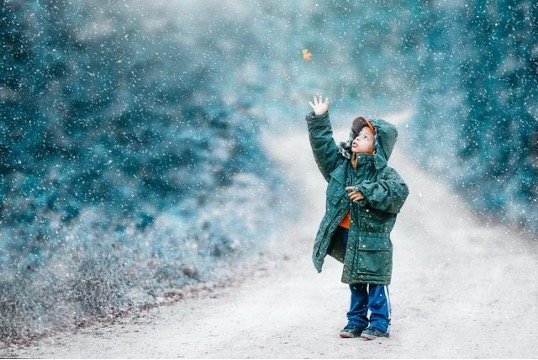
Winter. The days are shorter. It gets dark before dinner is finished. It’s hard to get outside. There are so many dreary, overcast, no-sunshine-in-sight days.
Winter also contains some of the most fun activities of the year. Building snowmen and drinking hot cocoa to warm up afterwards. Enjoying holiday traditions and seeing your child’s face light up as they open gifts. The list could go on and on.
Many people, though, find the weather and darkness of winter to be a difficult time of year. Even children can struggle with the changing of the seasons. But when sadness in winter becomes severe, the person may be suffering from seasonal affective disorder, or SAD.
What is Seasonal Affective Disorder?
Seasonal affective disorder is characterized by the following symptoms:
● Intense sadness(1)
● Irritability
● Feelings of tiredness
● Decreased performance at work or school
● Lack of interest in previously enjoyed activities
● Change in appetite
● Lower self-esteem(2)
● Feelings of loneliness or disappointment
● Isolating from friends and family
● Suicidal ideation(3)
While SAD has all the same symptoms of major depressive disorder, the symptoms of SAD are only felt during certain months of the year.(3) It is most common for people to experience SAD during the fall and winter months. However, it is possible for people to experience summer-pattern SAD that presents as the same symptoms but in spring and summer.(5)(6)
Many people struggle with the lack of sunlight and the limited amount of time that can be spent outdoors during the winter. But if a person is experiencing many of the symptoms above in an intense way and for longer than two weeks, they may have SAD.
Mild SAD may be cured simply by the arrival of spring. But severe SAD, left untreated, can become so debilitating that the person has trouble functioning.
What Causes Seasonal Affective Disorder?
While we don’t know the exact cause of seasonal affective disorder, it is likely related to the levels of serotonin and melatonin in our brains.(1) The lack of daylight can disrupt the balance of serotonin, which regulates moods, and melatonin, which regulates sleep.(2)
How Does Seasonal Affective Disorder Differ In Adults and Children?
Seasonal affective disorder presents with the same symptoms in children as adults. One place that we may see symptoms in children that we don't see in adults is at school. Children may have difficulty focusing in the classroom or may be acting out more often. It can be difficult to understand why children are acting this way, but it is important to consider a SAD diagnosis if the behaviors begin in the winter months or the parents have expressed other concerns.(4)
Children are at a higher risk of developing seasonal affective disorder if:
● They live at a higher altitude or far from the equator, as those places experience more extreme shifts in weather and the length of daylight.(1)
● Their family has a history of depression or mental illness.(1)
● They are female as women are more likely to be affected than men.(3)
● They have low levels of Vitamin D.(5)
Recognizing the signs of depression in your child is crucial. Every child has bad days. We all know that sometimes it can be as simple as them not getting their favorite color plate at lunch or having to wear their coat to go out in the freezing weather. There can be so many intense emotions in their little bodies.
So it is important to look for patterns in your child’s behavior and changes to those patterns that are unusual.(3)You know your child best. Signs of sadness or any of the other symptoms that last longer than two weeks need to be addressed.
Most times a child will not know why they are feeling this way. They won’t know to reach out for help and may not even know how to put their feelings into words. However, they may comment that they feel like a character in a book or movie. Oftentimes, children will find it easier to draw how they are feeling instead of verbalizing it. Whatever way your child chooses to show you how they feel, be ready to see and listen.
How To Help Your Child
The easiest way to help your child is the same way that you would help them prevent any illness.
Help them practice healthy habits. Try to get outside in the sunshine if at all possible. Even if you can’t get outside, make sure they are getting at least one hour of exercise each day. Maintain a sleep routine that gives them enough hours of sleep every night. Keep them well hydrated and eating a balanced diet.(1)
Talk with your child often about how they are feeling. The more in tune you are with them, the quicker you will identify signs of SAD. Encourage your child to connect with their friends and other family members.
If you think that your child’s case is severe, it is important to consult your pediatrician. Your pediatrician should check to make sure that there is not some other physical reason why your child is tired or having changes in appetite.(2)
If there are no other problems present, they may then suggest other methods of treatment, such as light therapy, antidepressants, cognitive behavioral therapy, or Vitamin D supplements.(3)(6) Light therapy is well studied in adults and has proven to be an effective form of treatment for SAD. While there is not as much research with children, preliminary studies have shown that light therapy can be helpful to children as well.(4) Many factors, such as their age and the length and severity of their symptoms, will be considered as a treatment plan is formulated.
Oftentimes, SAD will get better in the spring as the days get longer. But it may return again in the fall or winter.(1) So, it is important to have professionals in your corner to help you navigate getting your child healthy again and working to keep them healthy.
If you find that your child is prone to sadness in winter, it is best to be proactive each fall. Set up good routines and stick to them, even through the holidays. Keep them involved in activities they enjoy. Discuss with your pediatrician about proactively starting treatments each fall or winter to prevent your child’s SAD from worsening.
SAD is entirely manageable when you find what works for your child and your family. You got this!
For more articles on childhood mental health, be sure to subscribe to my newsletter!
References
https://www.parents.com/health/mental/does-your-child-have-seasonal-affective-disorder/
Rosenthal NE, Carpenter CJ, James SP, Parry BL, Rogers SL, Wehr TA. Seasonal affective disorder in children and adolescents. Am J Psychiatry. 1986 Mar;143(3):356-8. doi: 10.1176/ajp.143.3.356. PMID: 3953872.
https://www.nimh.nih.gov/health/publications/seasonal-affective-disorder