
Is My Child Depressed? Warning Signs and Resources for Childhood Depression
Growing up is often described as an emotional rollercoaster. There are so many highs and lows that come with the experiences of childhood and adolescence—riding a bike for the first time, finding a best friend, going through puberty and exploring sexuality. School, friends, family, hormonal changes—all of these different parts of a child’s life can contribute to intense feelings.
But if your child has more ‘lows’ than ‘highs’—low moods, sadness, low self-esteem—they may be suffering from depression.
As a parent, it may be hard to accept that even children can become depressed. What do they have to be depressed about, after all? They don’t have to pay taxes, go to work, or navigate the complexities of adult relationships. Childhood is often described wistfully by adults as carefree—longed for by nostalgic memory of a time when recess was the best part of a day, meals were cooked and paid for, and someone— a parent or caregiver—was watching out for you.

Growing up is often described as an emotional rollercoaster. There are so many highs and lows that come with the experiences of childhood and adolescence—riding a bike for the first time, finding a best friend, going through puberty and exploring sexuality. School, friends, family, hormonal changes—all of these different parts of a child’s life can contribute to intense feelings.
But if your child has more ‘lows’ than ‘highs’—low moods, sadness, low self-esteem—they may be suffering from depression.
As a parent, it may be hard to accept that even children can become depressed. What do they have to be depressed about, after all? They don’t have to pay taxes, go to work, or navigate the complexities of adult relationships. Childhood is often described wistfully by adults as carefree—longed for by nostalgic memory of a time when recess was the best part of a day, meals were cooked and paid for, and someone— a parent or caregiver—was watching out for you.
It may be hard to remember the painful parts of childhood or adolescence. The pain that comes with growing up. Navigating social situations at school. Doing homework. Struggling with test anxiety. Trying to fit in with peers. Experiencing romantic rejection for the first time. Dealing with intense feelings that are hard to regulate.
Growing up isn’t always a walk in the park.
And sometimes, children become depressed.
Let’s talk about it so you know the signs of childhood depression and how to help.
Warning Signs of Childhood Depression
Depression can look different in preschoolers, school-aged children and teens.
If your preschooler is depressed, you might notice they(1):
Seem to be regressing to younger behavior, like sucking their thumb or using baby talk
Have daily tantrums(5)
Are aggressive
Have separation anxiety again (after having grown out of it)
Don’t enjoy playing anymore and don’t want to play with other children
Aren’t following their regular sleep schedule anymore
Are lethargic during the day
Have lost weight and aren’t interested in the foods they used to love
If your grade school child is depressed, you might notice they(1):
Complain frequently about stomachaches and headaches
Talk frequently about being sad or lonely, even if they have friends, or hint they’re being bullied
Have a gloomy or pessimistic outlook on life
Are doing worse in school or extracurriculars
Say things are “boring” and they aren’t interested in doing the things they used to love
Watch more TV than usual and spend a lot of time on the couch
No longer seem to care about doing well in school, sports, or other activities
Aren’t gaining weight at the rate expected for their age group
If your tween or teen is depressed, you might notice they(1):
Have closed off emotionally to friends and family, are withdrawn and distant
Seem grumpy, irritable or angry a lot of the time
Lash out
Engage in risky behavior or self-harm
Abuse alcohol or drugs
Get set off by little things
Express that they feel worthless, guilty, empty or numb
Feel hopeless about the future
Think one bad thing happening means nothing in their life is good
Lack confidence and obsess over their shortcomings
Have dramatically changed their habits
If your child is depressed, you might also notice they(2):
Cry frequently, are often tearful, feel sad more often than not(3)
Try to run away from home (or talk about doing so)(3)
Have trouble concentrating on or remembering things
Find it difficult to make decisions
Are highly sensitive to rejection, criticism, or bad news
Say negative things about themselves
Lack confidence
Have trouble fitting in and getting along with others
Frequently miss school(3)
Have suicidal thoughts or impulses*
*If you’re in the U.K. and seeking resources or support because you’re worried about your child’s mental health, you can call the YoungMinds' free parents' helpline for advice on 0808 802 5544 from Monday to Friday, 9.30am to 4pm. If you’re in the United States, you can reach the National Suicide Prevention Lifeline at 1-800-273-8255 for free and confidential support 24/7.
*If your child or teen is feeling suicidal and is thinking about hurting themselves, call 911 if you’re in the US or 999 if you’re in the UK, or take them to the nearest Emergency Room.
It’s important to listen closely to your child in addition to noticing any behavioral changes.
Things you might hear your depressed child say(6,7):
“I’m bored.”
“I’m not good at anything”
“It’s always my fault.”
“I don’t have any real friends.”
“Nobody likes me.”
“I suck at ______.”
“I wish I had never been born.”
“My tummy/head hurts.”
“I’m so tired.”
Of course not all children who say these things are depressed, but keep these phrases and their frequency in mind.
What Causes Childhood Depression?
It may be hard to accept that even children and adolescents can become depressed. But it’s so important that adults realize the signs. Otherwise, children or teens can go undiagnosed and untreated. And the outcome can be much worse for children who don’t receive timely treatment.
About 3% of children in the US and 1-3% of children in the UK are depressed.(4) There are a number of contributing factors, including(4):
A family history of depression
Chronic illness
Psychiatric, learning, developmental or conduct disorders
Trauma, abuse or neglect
Chronic or excessive stress
Stressful events such as a parents’ divorce or the loss of a loved one
If you or someone else in your family has depression, your child is more likely to develop it. A stressful home life or school environment can contribute to a child developing depression, especially if they feel helpless and unable to make any changes to their environment or experiences. Children with depression are thought to have a different brain structure and functioning than children without depression.
Risk factors
When a child has a depressive episode, they are at risk for developing another within the next 5 years. Childhood depression is linked to more severe depression in adulthood. And depressed children or adolescents are more at risk for suicidal behavior.(3)
I Think My Child Is Depressed. What Do I Do?
If you or someone else in your child’s life thinks they might be suffering from depression, here are some steps you can take.
Support and listen to them
Ask your child how they’re feeling, what’s bothering them, and try to find out what is causing any changes in their behavior or mood. If your child is closed off and uncomfortable talking to you, see if they’ll talk to another trusted adult.
Know the warning signs
Jot down some notes about how severe your child’s symptoms are, how long they’ve been going on, and how they present so you’re armed with information when you see a mental health professional or pediatrician. Consider contacting your child’s teachers to see if they’ve noticed any behavioral changes at school. Take any suicidal signs seriously.
Meet with a professional
Get a referral to a psychiatrist, psychologist or pediatrician who can diagnose depression in children. Empathize with your child and continue to provide emotional support. They might feel freaked out about going to the doctor or “talking to someone,” so continue to be non-judgmental and acknowledge how they’re feeling. Assure your child they are not alone.
Seek out resources
Educate yourself about childhood depression and its treatments. Reach out to other families whose children or teens struggle with depression. Create a network so you feel supported and less alone. Consider counseling for yourself if you’re struggling with shame or other strong emotional reactions to your child’s depression.
Take action
Ultimately, childhood depression is treatable, but it’s important it’s diagnosed and treated early. Depression doesn’t just go away on its own. It requires professional intervention. Comprehensive treatment may include individual and family therapy as well as medication.
Interested in learning more? Check out this podcast episode on childhood depression. You’ll get even more information on risk factors, how COVID-19 has impacted rates of depression in children, comorbidity with other disorders, and more. You’ll also get to hear from parents from all over the world whose children are also struggling. In each podcast episode, I answer questions from parents just like you who are trying their best and seeking additional support.
Equip yourself with knowledge and tools to help your child thrive. Subscribe here to the Genius Little Minds podcast so you never miss an episode!
References
Rosen, Peg. Signs of depression at different ages. Understood. https://www.understood.org/articles/en/signs-of-depression-at-different-ages-a-printable-checklist
Is my child depressed? Priory Group. https://www.priorygroup.com/blog/is-my-child-depressed
(2018, November). Child depression ages 6 -12. The Whole Child. https://www.thewholechild.org/parent-resources/age-6-12/child-depression-ages-6-12/
Childhood depression. How to help your child. Healthline. https://www.healthline.com/health/mental-health/childhood-depression
Klass, Perri. (2021, September). How to spot depression in young children. The New York Times. https://www.nytimes.com/2021/04/01/well/family/depression-young-children.html
Depression in children 5-8 years. Raising Children. https://raisingchildren.net.au/school-age/health-daily-care/school-age-mental-health-concerns/depression-5-8-years
Typical sadness or depression? How to tell the difference in your child. Understood. https://www.understood.org/articles/en/sadness-vs-depression-in-kids

How To Handle Separation Anxiety Disorder In Your Child: 3 Practical Tips and Strategies
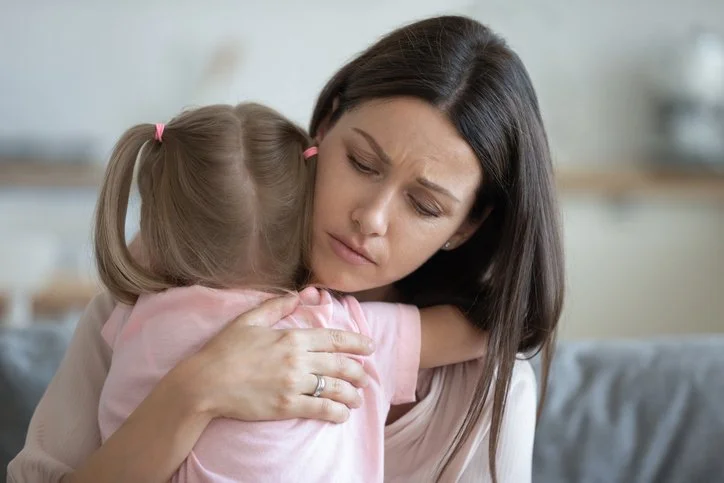
For some children and parents, the drop-off at daycare or school is the worst part of the day. Every. Single. Day.
There are even children that struggle with their parents or caregivers leaving the room or being out of eyesight.
This level of separation anxiety can be mentally and emotionally for both parties.
For some children and parents, the drop-off at daycare or school is the worst part of the day. Every. Single. Day.
There are even children that struggle with their parents or caregivers leaving the room or being out of eyesight.
This level of separation anxiety can be mentally and emotionally for both parties.
If this is you, take a deep breath. I’m here to tell you that there are ways to help your child gain a sense of security and be more comfortable. Let’s walk through the signs, causes, and treatments of separation anxiety disorder together. You can do this!
What Is Separation Anxiety Disorder?
Separation anxiety disorder (SAD) most often presents itself as an intense fear of being physically separated from family or loved ones.(1)
Other symptoms of separation anxiety disorder include:
● Temper tantrums or panic attacks at times of separation(1)
● Refusal to go to school or daycare
● Refusal to sleep alone
● Intense nightmare about separation
● Excessive worry about losing family members
● Frequent headaches, stomachaches, and muscle aches
● Being very clingy when with caregiver
● Refusal to leave home
SAD is diagnosable when a child is experiencing the above symptoms for 4 weeks or longer and the symptoms significantly impact their daily life.(4) Approximately 4 to 5% of children have clinical SAD.(5) Around 65% of children with SAD also suffer from another psychological disorder.(6)
To listen to my Genius Little Minds podcast episode about separation anxiety disorder and other anxiety disorders that children can experience, click here.
What Causes Childhood Separation Anxiety?
You may find yourself asking, ”Does that mean that some separation anxiety is normal?”
Yes! Separation anxiety is often developmentally typical for infants, toddlers, and young children. Infants typically go through a phase between seven and ten months in which separation from the primary caregiver is difficult. During this time, and even into toddlerhood, simply focusing on forming a secure attachment in your child is all the treatment separation anxiety needs. Even up to the age of three, separation anxiety is normal.(2)
Clinical separation anxiety disorder is likely caused by both environmental factors and an imbalance of norepinephrine and serotonin in the brain. The most common time for a child to start exhibiting symptoms of SAD is between the age of seven and ten years old.(1) It can start, though, at any time, even through the teenage years and into adulthood.(2)
It often shows up after a long break from school due to holidays, vacations, or an illness. Significant life events, such as death of a loved one, parents getting divorced, or moving, can also cause SAD.
Separation anxiety disorder has not been found to affect one gender more than the other.(5) A parent having an anxiety disorder does make the child more likely to experience SAD.(1)
How Do You Help a Child With Separation Anxiety?
There are many ways that you can help your child cope with typical childhood separation anxiety.
1. Read Books About Separation Anxiety
Many books have been written on childhood separation anxiety. There is, however, a great need for a therapeutic book that helps the child overcome separation anxiety disorder. Coming out soon is Charlie Cub Is Afraid To Leave His Mother, which uses cognitive behavioral therapy techniques to address this exact issue.
Cognitive Behavioral Therapy (CBT) helps children recognize their thought patterns and identify where and when those patterns help and where they hurt. In other words, how we think and act affects how we feel. My book uses Graded Exposure, which is a stepladder approach, as part of CBT. The child slowly and systematically faces his fears and reduces the symptoms of his anxiety.
In Charlie Cub Is Afraid To Leave His Mother, Charlie Cub wants to go to sleepovers, but he’s afraid to leave his mother. To overcome his fear, he uses a stepladder process to gradually expose himself to being away from his mother. With patience and courage, Charlie manages his anxiety and reaches his goal of going to a pajama party.
Through storytelling, my I’M AFRAID Anxiety Disorder Series teaches children to manage their anxiety symptoms. This book focuses on Separation Anxiety and includes an About Anxiety page along with a Coping Strategies page and a Stepladder page. Parents and mental health professionals will appreciate this series aimed at relieving children’s anxiety symptoms.
Charlie Cub Is Afraid To Leave His Mother can be pre-ordered by clickinghere.
Other good book options for more age-appropriate, non-clinical separation anxiety are:
● The Kissing Hand by Audrey Penn
● Llama Llama Misses Mama by Anna Dewdney
● I Love You All Day Long by Francesca Rusackas
● The Invisible String by Patrice Karst
Social stories
Social stories are stories that show a child exactly what is about to happen. To treat separation anxiety, the social story would show the child getting ready, heading to daycare (or wherever your child goes), getting dropped off, processing their feelings, and then being okay playing. The story could be tweaked and modified to show exactly what your child will be experiencing.
These stories help your child know what’s going to happen, what they may be feeling, and how to handle those emotions.
Many parents and teachers simply draw pictures and bind them together in a book to make a social story catered to one specific child. I know what you’re thinking…I’m no artist! Trust me; your child will love seeing your art as much you love seeing theirs. And the personal, handmade aspect will pique their interest in what the book has to say.
2. Set Expectations, Prepare Them for What Will Happen
Even if you choose not to use social stories or your child is too old for them, just talking about what to expect can serve the same purpose. Try to anticipate what new situations may be stressful to them and have a conversation with them beforehand. Discuss what they may feel in the situation and how they can handle those feelings.
For older children, it can be very helpful to talk about past events. Talk about how every time that you have left them, you have come back to them safe and sound. This often will not work the first time and definitely will not calm a child that is very upset. But reminding them of this often may eventually decrease their anxiety.
3. Get Them Help from a Professional
It can be difficult to determine when your child is just wanting to spend more time with you and when they are truly struggling with separation anxiety. To read more about how to tell when your child is just going through a phase and when they need mental health help, check out my article here.
Knowing that seeking outside help is the next step you need to take can be scary. But your pediatrician can help guide you. Oftentimes your child will be evaluated to rule out any physical problems.
Then your child’s doctor may suggest different treatment options, such as cognitive-behavioral therapy, medication, family therapy, or interventions at school. It is important to get your child the proper treatment as untreated SAD can lead to panic disorder or another anxiety disorders in adulthood.(3)
Separation anxiety can feel like an insurmountable issue when your child is experiencing it. But rest assured! There are paths to getting your child happy and healthy again.
Pre-order Charlie Cub Is Afraid To Leave His Mother HERE. To check out other books in the I’M AFRAID anxiety disorder series, visit: www.DrMadeleineVieira.com/books/imafraid
To stay up-to-date on all my articles on childhood mental health, be sure to subscribe to my newsletter!
References
https://childmind.org/guide/quick-guide-to-separation-anxiety-disorder/
Masi, G., Mucci, M. & Millepiedi, S. Separation Anxiety Disorder in Children and Adolescents. Mol Diag Ther 15, 93–104 (2001). https://doi.org/10.2165/00023210-200115020-00002
Francis, G., Last, C.G. & Strauss, C.C. Expression of separation anxiety disorder: The roles of age and gender. Child Psych Hum Dev 18, 82–89 (1987). https://doi.org/10.1007/BF00709952
Mohammadi MR, Badrfam R, Khaleghi A, Hooshyari Z, Ahmadi N, Zandifar A. Prevalence, Comorbidity and Predictor of Separation Anxiety Disorder in Children and Adolescents. Psychiatr Q. 2020 Dec;91(4):1415-1429. doi: 10.1007/s11126-020-09778-7. PMID: 32418141.

Mental Illness in Children: Is It Just a Phase or Something More?
When you hear the phrase “mental illness” what comes to mind? If you think about managing your own mental health or the psychological issues other adults in your life are navigating, you’re not alone.
Often mental health—and on the flipside, mental illness—are seen as things only adults have to manage. But the truth is, one in six children will experience a mental health disorder in any given year.1
The number of children and teens battling mental health issues without proper treatment is staggering.

When you hear the phrase “mental illness” what comes to mind? If you think about managing your own mental health or the psychological issues other adults in your life are navigating, you’re not alone.
Often mental health—and on the flipside, mental illness—are seen as things only adults have to manage. But the truth is, one in six children will experience a mental health disorder in any given year.(1)
The number of children and teens battling mental health issues without proper treatment is staggering.
The teenage years are hard enough as it is—on both teens and parents. What with the raging hormones, the increased importance of friends over family, and the pressures to perform well in school—it’s easy to chalk up mood swings or changes in behavior to growing up.
Every day, I see families just like you, struggling to understand the challenges their children are going through. You may be wondering whether your child or adolescent is exhibiting signs of a larger issue or is just “being a child” or just “going through a phase.” Educating yourself on the signs and symptoms of childhood mental health concerns is a helpful first step.
How Do I Know if My Child Has a Disorder?
Half of all mental illnesses begin by the time a child turns 14. And 1 in 10 children between the ages of 5 and 16 meets the criteria for mental illness but only 30% receive appropriate early intervention.(2)
I’m not sharing these statistics to scare you.
I firmly believe that with this knowledge, you can better serve your family.
“Mental illness” or “mental health disorder” can sound really scary. But with proper management and treatment, children with these challenges can overcome them or learn to manage them over time.
Many children with mental health diagnoses go on to live happy, healthy lives when given the appropriate treatment, support, and early interventions. (Doesn’t that make you want to run, not walk, to next available therapy appointment?)
If your family is going through a tough time right now, know that you are not alone. It can be hard on parents and children to navigate an undiagnosed mental health disorder. (And parenting is a really tough job to begin with!)
But as a parent, you play a vital role in getting your child the help they need. If your child is displaying difficulties in school, with friends, or at home, there are signs and symptoms of potential mental health concerns to watch out for. Consider keeping a record or journal so you can describe your child’s behaviors to a professional if and when you decide intervention and treatment is necessary.
4 Common Diagnoses Children Receive: ADHD, Anxiety, Depression, and ASD
Childhood ADHD, anxiety, depression, and autism spectrum disorder may present differently than adult diagnoses. It’s important to recognize the signs and understand treatment options to get your child the best care possible.
By being aware of the signs and symptoms, you can be your child’s biggest cheerleader on the road to mental health.
ADHD
Are you tired of repeating the same directions to your child over and over again, only to have them forget what you just said or simply not follow instructions? Is it impossible to get your child out the door on time? And do you get calls from school because they’ve forgotten their homework again?
Often children with ADHD get labeled as naughty or lazy. But the truth is, ADHD is a chronic condition that children need help managing. A mental health diagnosis like ADHD is neither something you (the parent) caused, nor is it your child’s fault.
Attention Deficit Hyperactivity Disorder, or ADHD, is one of the most commonly diagnosed mental health disorders in children. In the UK it’s estimated that 3.6% of boys and around 1% of girls between the ages of 5 and 15 meet the criteria for ADHD,(3) and in the US, 12% of boys and 5.6% of girls between the ages of 2 and 17 have been diagnosed with ADHD.(4)
Children with ADHD may struggle in school and have trouble making friends. ADHD can impact every area of your child’s life—from social situations to academics to home life.
Thankfully, ADHD, like other mental health concerns, can be managed. With the right treatment, interventions, and support at home, your child can manage the symptoms of their ADHD so they don’t impede performance in school or work or their ability to maintain close relationships.
Understanding your child’s difficulties will help grow your bond and cultivate a climate of support and empathy within the family system.
Anxiety
Does your child have frequent nightmares, headaches, or cry easily and often? Are you always taking them to the doctor, trying to figure out why they feel sick to their stomach all the time? Or does your child want to retract into their shell like a turtle every time a stranger talks to them?
These are all signs your child could suffer from anxiety.
(Feeling anxious just reading this? Stop. Take a deep breath in, and exhale slowly. Unlock your jaw and roll your shoulders back. Feel a bit better? With the right tools, you can become a calming guide for your child and tackle the anxiety together.)
Anxiety disorders are a range of mental health conditions causing intense feelings of worry and fear. It's normal for children to feel worried from time to time, but when a child has an anxiety disorder, their worry and fear is pervasive and difficult to manage without proper guidance.
Many children will develop some kind of anxiety. In the UK, anxiety affects anywhere from 5 to 19% of children and adolescents.(12) And in the US, approximately 7% of children between the ages of 3 and 17 have been diagnosed with anxiety.(13)
As a parent, it can be difficult to figure out how serious a problem is, especially because children do get afraid from time to time and often struggle to verbalize how they’re feeling. If the anxiety and worry causes your child significant distress and makes it difficult for them to engage in everyday activities then it’s likely they need treatment.
Depression
Is your child no longer interested in doing the things they love the most? Is Eeyore the character they identify with from Winnie the Pooh?
As hard as it may be to believe, children as young as 3 years old can suffer from depression.(14)
But depression in children looks slightly different than depression in adults, which is why it’s so important to be aware of the differences. Some of the symptoms overlap, such as feeling sad for most days or feeling worthless. But in children, depression can also display as temper tantrums or difficulties in school.
If your child is no longer interested in participating in activities they once enjoyed, like sports or music lessons, you may be thinking, “aren’t they just growing up?” But reduced interest in activities and withdrawal from friends could indicate a larger problem, especially if coupled with other symptoms like changes in sleep patterns.
It’s normal for children to get sad or feel down sometimes. But depression is a serious mental illness that, if not treated, can result in devastating consequences. If symptoms last for two weeks or more, it may be time to seek treatment.
Like other mood disorders and mental health issues, getting your child the support they need will help them feel better faster and reduce the risk of developing depression that lasts into adulthood. If your child repeatedly says or thinks negative things about themselves, or tells you they feel sad, hopeless, or helpless, they might be depressed and professional help should be sought out. By having this information in the back of your mind, you’ll be better equipped to help your child when they are struggling with depression. And there’s nothing more satisfying than getting your child on the road to health and seeing them smile again.
Autism Spectrum Disorder
Have you spent countless hours listening to your child talk obsessively about a single topic, like the migratory birds of North America? Or does your child just know when you’ve changed the brand of peanut butter on them? Maybe you wish your child would look you in the eye with those baby blues you love so much?
Children with autism spectrum disorder may have very focused interests, struggle to interact with others, display repetitive or restrictive behaviors, or have sensory sensitivities.
Often children with ASD have trouble managing their emotions and have a comorbid, coexisting disorder like anxiety. They can also be wildly fun, creative, interesting and joyful. By understanding your child with autism spectrum disorder, you won’t be putting them in a single box. You’ll be advocating for them so they have the full range of experiences other children have.
It is estimated that 1 in 100 children in the UK have autism spectrum disorder (ASD).(15) Like ADHD, autism spectrum disorder is a chronic condition, meaning it lasts throughout a person’s lifetime, but with the right treatment and interventions, it too can be managed.
As a “spectrum” disorder, ASD can be difficult to identify because the type and severity of symptoms varies so widely.
There are so many resources for children with ASD these days. You don’t have to navigate this (or any diagnosis) alone.
What Should I Do if I Suspect My Child Has a Mental Health Disorder?
There’s no shame in thinking your child has an undiagnosed mental health condition requiring treatment. The most helpful thing you can do as a parent is support your child through their difficulties—not shaming or blaming them (or yourself!) and seek professional help from a licensed therapist or mental health counselor.
Is It Time to Seek Out Treatment for My Child?
Many families struggle with childhood mental health issues. You haven’t failed as a parent if your child has anxiety or depression or other difficulties requiring treatment. If your child displays any of the symptoms outlined above or has other symptoms which cause significant distress and disrupt their ability to engage in everyday activities—then it's likely time to seek treatment.
Children don’t grow out of mental health issues. And symptoms can get worse over time if they aren’t treated.With the right treatment and intervention from a professional, however, the issues your child is facing may not become a life-long mental illness.
Coming to terms with the fact that your child could have a mental health disorder can feel daunting. But seeing your child benefit from treatment—managing their mental health concerns, overcoming their fears, regulating their emotions, and interacting differently with the world—will make it all worthwhile.
It can be overwhelming to navigate these issues alone. The good news is, help is available. I’m Dr. Madeleine Vieira, a licensed clinical child psychologist, and I talk about these 4 mental health diagnoses—ADHD, anxiety, depression and ASD—and how they present in children, in more detail, in the first episode of my podcast, Genius Little Minds.
Listen to the podcast here to get more in-depth information on symptoms and treatment options, and subscribe to stay up to date with the latest in children’s mental health.
Make the space to educate yourself on childhood mental health. You and your family will be glad you did!
References
(2021, August). Children and Young People. Mental Health Foundation. https://www.mentalhealth.org.uk/a-to-z/c/children-and-young-people
Mental Health Statistics: Children and Young People. Mental Health Foundation. https://www.mentalhealth.org.uk/statistics/mental-health-statistics-children-and-young-people
Holden, S. E., Jenkins-Jones, S., Poole, C. D., Morgan, C. L., Coghill, D., & Currie, C. J. (2013). The prevalence and incidence, resource use and financial costs of treating people with attention deficit/hyperactivity disorder (ADHD) in the United Kingdom (1998 to 2010). Child and adolescent psychiatry and mental health, 7(1), 34. https://doi.org/10.1186/1753-2000-7-34
(2021, September). Data and Statistics About ADHD. Centers for Disease Control and Prevention. https://www.cdc.gov/ncbddd/adhd/data.html
Rucklidge J. J. (2010). Gender differences in attention-deficit/hyperactivity disorder. The Psychiatric clinics of North America, 33(2), 357–373. https://doi.org/10.1016/j.psc.2010.01.006
Sayal, K., Prasad, V., Daley, D., Ford, T., & Coghill, D. (2018). ADHD in children and young people: prevalence, care pathways, and service provision. The lancet. Psychiatry, 5(2), 175–186. https://doi.org/10.1016/S2215-0366(17)30167-0
Faraone, S. V., Sergeant, J., Gillberg, C., & Biederman, J. (2003). The worldwide prevalence of ADHD: is it an American condition? World psychiatry : official journal of the World Psychiatric Association (WPA), 2(2), 104–113.
(2021, September). Research on ADHD. Centers for Disease Control and Prevention. https://www.cdc.gov/ncbddd/adhd/research.html
(2021, March). Attention Deficit Hyperactivity Disorder: Causes of ADHD. WebMD. https://www.webmd.com/add-adhd/adhd-causes
(2021, December). Attention Deficit Hyperactivity Disorder: ADHD. NHS. https://www.nhs.uk/conditions/attention-deficit-hyperactivity-disorder-adhd/
Oudin, A., Frondelius, K., Haglund, N., Kallen, K., Forsberg, B., Gustafsson, P., & Malmqvist, E. (2019). Prenatal exposure to air pollution as a potential risk factor for autism and ADHD. Environment International, (133),1-7.
(2020, September). Anxiety disorders in children. NHS. https://www.nhsinform.scot/illnesses-and-conditions/mental-health/anxiety-disorders-in-children
(2021, March). Data and Statistics on Children’s Mental Health. Centers for Disease Control and Prevention. https://www.cdc.gov/childrensmentalhealth/data.html
Doheny, K. Depression Affects Kids as Young as 3. Medicine Net. https://www.medicinenet.com/script/main/art.asp?articlekey=116548
(2021, September). Autism Spectrum Disorder. BMA. https://www.bma.org.uk/what-we-do/population-health/improving-the-health-of-specific-groups/autism-spectrum-disorder

The Winter Blues: How Seasonal Affective Disorder Can Affect Children
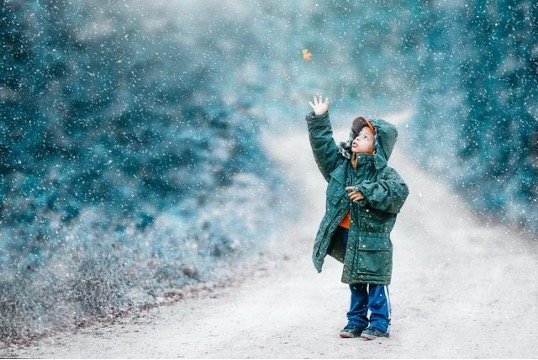
Winter. The days are shorter. It gets dark before dinner is finished. It’s hard to get outside. There are so many dreary, overcast, no-sunshine-in-sight days.
Winter also contains some of the most fun activities of the year. Building snowmen and drinking hot cocoa to warm up afterwards. Enjoying holiday traditions and seeing your child’s face light up as they open gifts. The list could go on and on.
Winter. The days are shorter. It gets dark before dinner is finished. It’s hard to get outside. There are so many dreary, overcast, no-sunshine-in-sight days.
Winter also contains some of the most fun activities of the year. Building snowmen and drinking hot cocoa to warm up afterwards. Enjoying holiday traditions and seeing your child’s face light up as they open gifts. The list could go on and on.
Many people, though, find the weather and darkness of winter to be a difficult time of year. Even children can struggle with the changing of the seasons. But when sadness in winter becomes severe, the person may be suffering from seasonal affective disorder, or SAD.
What is Seasonal Affective Disorder?
Seasonal affective disorder is characterized by the following symptoms:
● Intense sadness(1)
● Irritability
● Feelings of tiredness
● Decreased performance at work or school
● Lack of interest in previously enjoyed activities
● Change in appetite
● Lower self-esteem(2)
● Feelings of loneliness or disappointment
● Isolating from friends and family
● Suicidal ideation(3)
While SAD has all the same symptoms of major depressive disorder, the symptoms of SAD are only felt during certain months of the year.(3) It is most common for people to experience SAD during the fall and winter months. However, it is possible for people to experience summer-pattern SAD that presents as the same symptoms but in spring and summer.(5)(6)
Many people struggle with the lack of sunlight and the limited amount of time that can be spent outdoors during the winter. But if a person is experiencing many of the symptoms above in an intense way and for longer than two weeks, they may have SAD.
Mild SAD may be cured simply by the arrival of spring. But severe SAD, left untreated, can become so debilitating that the person has trouble functioning.
What Causes Seasonal Affective Disorder?
While we don’t know the exact cause of seasonal affective disorder, it is likely related to the levels of serotonin and melatonin in our brains.(1) The lack of daylight can disrupt the balance of serotonin, which regulates moods, and melatonin, which regulates sleep.(2)
How Does Seasonal Affective Disorder Differ In Adults and Children?
Seasonal affective disorder presents with the same symptoms in children as adults. One place that we may see symptoms in children that we don't see in adults is at school. Children may have difficulty focusing in the classroom or may be acting out more often. It can be difficult to understand why children are acting this way, but it is important to consider a SAD diagnosis if the behaviors begin in the winter months or the parents have expressed other concerns.(4)
Children are at a higher risk of developing seasonal affective disorder if:
● They live at a higher altitude or far from the equator, as those places experience more extreme shifts in weather and the length of daylight.(1)
● Their family has a history of depression or mental illness.(1)
● They are female as women are more likely to be affected than men.(3)
● They have low levels of Vitamin D.(5)
Recognizing the signs of depression in your child is crucial. Every child has bad days. We all know that sometimes it can be as simple as them not getting their favorite color plate at lunch or having to wear their coat to go out in the freezing weather. There can be so many intense emotions in their little bodies.
So it is important to look for patterns in your child’s behavior and changes to those patterns that are unusual.(3)You know your child best. Signs of sadness or any of the other symptoms that last longer than two weeks need to be addressed.
Most times a child will not know why they are feeling this way. They won’t know to reach out for help and may not even know how to put their feelings into words. However, they may comment that they feel like a character in a book or movie. Oftentimes, children will find it easier to draw how they are feeling instead of verbalizing it. Whatever way your child chooses to show you how they feel, be ready to see and listen.
How To Help Your Child
The easiest way to help your child is the same way that you would help them prevent any illness.
Help them practice healthy habits. Try to get outside in the sunshine if at all possible. Even if you can’t get outside, make sure they are getting at least one hour of exercise each day. Maintain a sleep routine that gives them enough hours of sleep every night. Keep them well hydrated and eating a balanced diet.(1)
Talk with your child often about how they are feeling. The more in tune you are with them, the quicker you will identify signs of SAD. Encourage your child to connect with their friends and other family members.
If you think that your child’s case is severe, it is important to consult your pediatrician. Your pediatrician should check to make sure that there is not some other physical reason why your child is tired or having changes in appetite.(2)
If there are no other problems present, they may then suggest other methods of treatment, such as light therapy, antidepressants, cognitive behavioral therapy, or Vitamin D supplements.(3)(6) Light therapy is well studied in adults and has proven to be an effective form of treatment for SAD. While there is not as much research with children, preliminary studies have shown that light therapy can be helpful to children as well.(4) Many factors, such as their age and the length and severity of their symptoms, will be considered as a treatment plan is formulated.
Oftentimes, SAD will get better in the spring as the days get longer. But it may return again in the fall or winter.(1) So, it is important to have professionals in your corner to help you navigate getting your child healthy again and working to keep them healthy.
If you find that your child is prone to sadness in winter, it is best to be proactive each fall. Set up good routines and stick to them, even through the holidays. Keep them involved in activities they enjoy. Discuss with your pediatrician about proactively starting treatments each fall or winter to prevent your child’s SAD from worsening.
SAD is entirely manageable when you find what works for your child and your family. You got this!
For more articles on childhood mental health, be sure to subscribe to my newsletter!
References
https://www.parents.com/health/mental/does-your-child-have-seasonal-affective-disorder/
Rosenthal NE, Carpenter CJ, James SP, Parry BL, Rogers SL, Wehr TA. Seasonal affective disorder in children and adolescents. Am J Psychiatry. 1986 Mar;143(3):356-8. doi: 10.1176/ajp.143.3.356. PMID: 3953872.
https://www.nimh.nih.gov/health/publications/seasonal-affective-disorder

Children’s Mental Health Week Empowers Growth and Reflection On Your Child’s Mental Health Journey
Mental health can often feel like a topic that is hard to tackle. And it can feel especially difficult to discuss with children.
It’s hard to know what terms to use, how to make the conversation developmentally appropriate, and how to not overwhelm them with information.
But we know that it is so important to have conversations on mental health. We know that approximately one in six children between the ages of two and eight have a mental, behavioral, or developmental disorder (1).

Mental health can often feel like a topic that is hard to tackle. And it can feel especially difficult to discuss with children.
It’s hard to know what terms to use, how to make the conversation developmentally appropriate, and how to not overwhelm them with information.
But we know that it is so important to have conversations on mental health. We know that approximately one in six children between the ages of two and eight have a mental, behavioral, or developmental disorder (1).
But you don’t have to be an expert to help your kids. There are many practical ways to discuss mental health and provide the guidance that your kids need.
Growing Together
The theme that was selected this year for Children’s Mental Health Week is ‘Growing Together.’
This theme is reflective of the idea that mental health is a journey. We can go through periods of quick, intense growth, but then at other times, we can feel stuck and stagnant. There are highs and lows in the journey. There will be triumphs and setbacks.
In those hard times, we need to lean on each other to continue to grow and stay healthy.
Children and adults alike should always be working on bettering their mental health. Events like Children’s Mental Health Week remind us of that.
3 Ways To Start A Conversation About Mental Health
Especially with young children, it can be intimidating to know how to broach the topic of mental health. It can be more productive to simply talk about ‘feelings.’
Helping children identify and name their feelings is a crucial part of emotional health.
There are a variety of ways you can talk about feelings in a way that seems more concrete.
Reading Books On Feelings and Mental Health
There are so many great books out there that help explain difficult feelings and situations. Some that I would recommend include:
● The Very Cranky Bear by Nick Bland
● The Way I Feel by Janan Cain
● Can I Catch It Like A Cold? by The Center For Addiction and Mental Health
● Listening To My Body by Gabi Garcia
For children with anxiety, my books Sophie Swan Is Afraid Of Water!, Charlie Cub Is Afraid To Leave His Mother!, and Priscilla Puppy Is Afraid Of Everything! will be available soon. You can read more about them here.
Playing Games That Teach About Feelings
Games could include matching tiles that show different expressions or identifying feelings on flash cards.
Talk of feelings could also be involved in any game like Go Fish or UNO. You can talk about being excited when you draw the card you need or being frustrated when you lose. Talking in the moment about how you and your child are feeling will help them begin to name their emotions.
Make Art About How They Are Feeling
Providing a safe space for children to make art can let them express feelings that they may not be able to put into words.
Even if children do not yet have the fine motor skills to draw faces or people, the colors and way in which they create art may help you understand what they are feeling. Do they choose happy colors or sad colors? Do they show joy or frustration when creating? It’s easy to see what is most pressing on their mind when you see what they choose to paint or color.
Key Tips to Remember
You don’t have to have professional training to help your children with their mental health, but there are a few key things to keep in mind.
Listen Intently
Let them know that their feelings are valid. Give them plenty of time to formulate their thoughts and put their feelings into words. If they need a break before returning to the conversation, give them that space.
Let Them Ask Questions
How specific their questions are depends largely on how old they are. But it is important to be as honest as is developmentally appropriate. If they are old enough to formulate the question, they are often old enough to hear the answer. Be a source of quality, unbiased information.
Talk About Mental Health Often
Having conservations often about mental health will keep the line of communication open between you and your child.
Talk about mental health at the dinner table and in the car on the way to sports practice. Make the conversation commonplace, and your children will be more likely to come to you for help when they need it.
Brainstorm Ideas For Self-care
Self-care looks different for everyone, your child included. Self-care can involve any activity that makes them happy and helps them relax. Your child may know exactly what they like to do, or they may need your help to think of ideas. Additionally, they may need your push to do those self-care activities when they’re feeling down.
Celebrate Children’s Mental Health Week With Others
All of us could use more time to reflect and work on our mental health. Children’s Mental Health Week provides just that opportunity.
It also opens the door to having conversations with fellow teachers or parents about how to tackle mental health challenges with kids. It can show you who you can turn to for help and provide invaluable support to lean on. You may find yourself needing a sounding board after having these sometimes difficult conversations.
This journey is not a solo one. It is much better to do it together.
Parents and caregivers are such an important part of a child’s mental health. Your involvement can make this week life-changing for your child.
Continuing The Event All Year Long
Children’s Mental Health Week should not be the one time a year that schools, educators, and parents focus on their children’s mental health.
It is so important to be well-informed and constantly on the lookout for mental health struggles in our kids.
Working on our mental health together is not always easy, but it is a rewarding journey. It gives us the opportunity to grow closer to our children as we teach them about feelings, emotions, and mental health.
These conversations and activities will build an unbreakable bond between you and your children. And that is truly worth all the work that this journey requires.
To get more tools and resources on children’s mental health in your inbox, be sure to sign up for my newsletter.
References

Childhood Anxiety vs. Adult Anxiety: How Anxiety in Children Looks Different
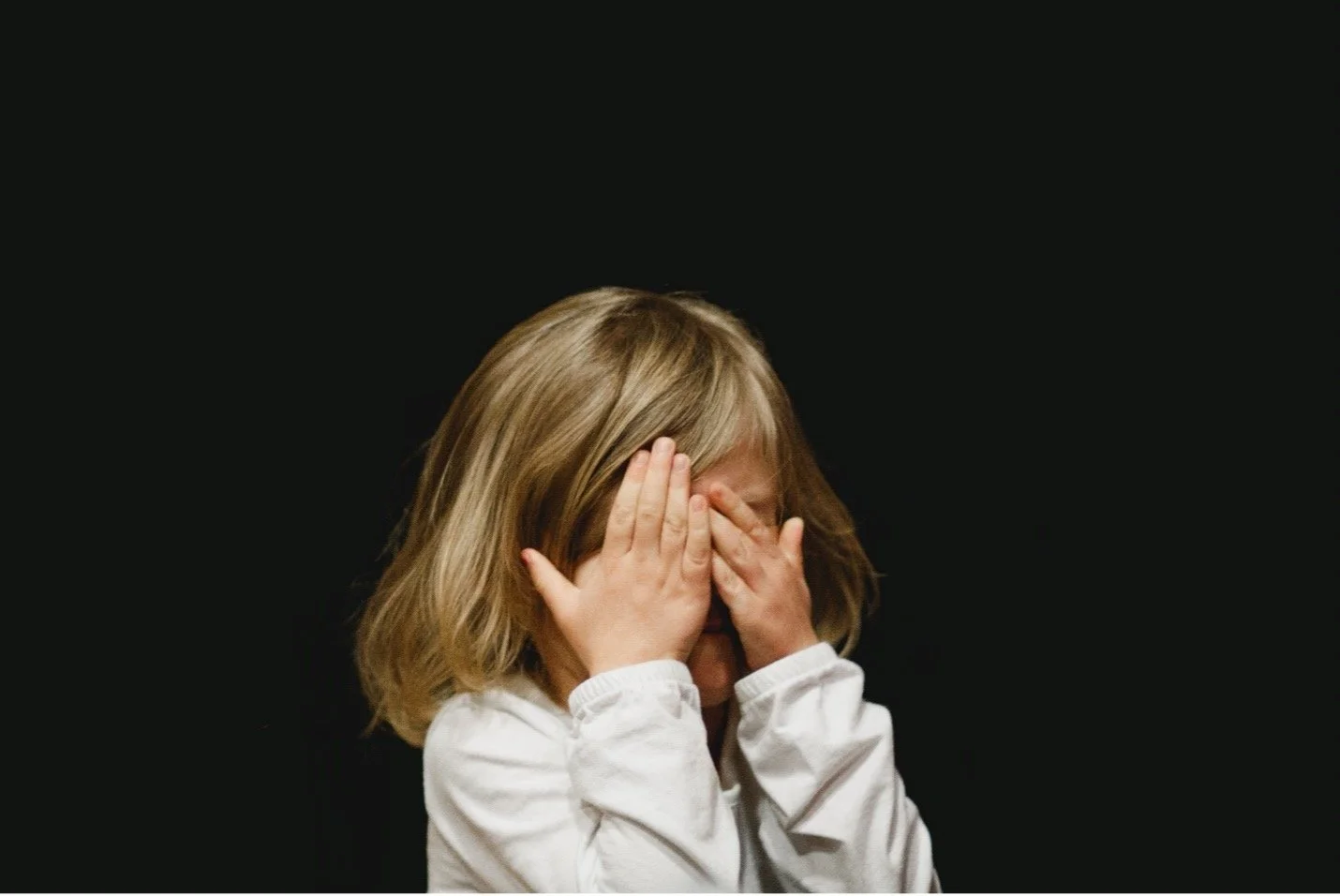
Anxiety disorders are some of the most common mental health conditions today.
7.1% of children aged 3-17 years have an anxiety diagnosis.(1) And it's estimated that 30% of children and adolescents will have an anxiety disorder at some point in their lives.(2)
Anxiety disorders can develop at any age, though we know that half of mental health disorders begin in childhood. While both children and adults can struggle with an anxiety disorder, there are some key differences in how these disorders present themselves.
Anxiety disorders are some of the most common mental health conditions today.
7.1% of children aged 3-17 years have an anxiety diagnosis.(1) And it's estimated that 30% of children and adolescents will have an anxiety disorder at some point in their lives.(2)
Anxiety disorders can develop at any age, though we know that half of mental health disorders begin in childhood. While both children and adults can struggle with an anxiety disorder, there are some key differences in how these disorders present themselves.
Read on for the distinctions.
What Are The Similarities Between Anxiety Disorders in Children and Adults?
First, let’s look at the similarities between childhood and adult anxiety.
Both children and adults with an anxiety disorder often experience: (3)
· Excessive worrying
· Feeling restless, irritable, or uneasy
· Physical symptoms like a racing heart, headaches, or stomach aches
· Trouble sleeping
· Difficulty focusing
Each individual will have different symptoms, and some people may experience only a few of these symptoms while others may experience many. Anxiety symptoms also differ across the various types of anxiety disorders.
What Are The Different Types of Anxiety Disorders?
Anxiety disorders are generally characterized by excessive fear or worry. Here are some of the most common disorders: (4)
· Generalized Anxiety Disorder
· Phobias
· Panic Disorder
· Social Anxiety Disorder
· Separation Anxiety Disorder
· Obsessive-Compulsive Disorder
· Post-Traumatic Stress Disorder
Adults and children can both develop these types of anxiety disorders. So how does anxiety manifest itself in children?
What Does Childhood Anxiety Look Like?
There are a few key distinctions between adults and children when it comes to anxiety disorders.
Childhood anxiety vs. adult anxiety involves differences in:
· How children process their anxiety
· Diagnostic criteria
· The symptoms children exhibit
· The prevalence of certain disorders at specific ages
What Are The Developmental Differences?
Perhaps the biggest difference between adults and children is that children have not finished developing. Unlike adult brains, children's brains are still growing and thus, children are still learning how to process the world around them.
Because children's cognitive functioning has not completely developed, children may not be able to identify or understand the source of their anxiety. They just know that they feel scared or uncomfortable. They can also have a difficult time communicating how they feel to others.
How Does Diagnosis of Anxiety Differ in Children?
The DSM-5 includes diagnostic criteria for the different anxiety disorders. Children must meet different diagnostic criteria than adults to be diagnosed with an anxiety disorder.
For example, to be diagnosed with generalized anxiety disorder, children only need to meet one of the six symptoms listed below, whereas adults need three of the six: (5)
· Restlessness
· Easily fatigued
· Difficulty concentrating
· Irritability
· Muscle aches
· Trouble sleeping
What Are The Signs of Anxiety in Children?
Some signs of an anxiety disorder in children include: (6)
· Frequent crying
· Emotional outbursts and tantrums
· Having difficulty concentrating in school
· Nightmares
Some of these symptoms may also be present in adults, but are more often seen among children. Because children have a harder time communicating and managing their emotions, they can become overwhelmed, angry, and emotionally dysregulated more easily than adults.
You know how children can get when you tell them, "no?" It's like someone swapped your sweet, well-behaved child for a pint-sized crocodile.
When it comes to anxiety, the same thing can happen. One second, they're fine, the next they're melting down because they can't find their favorite toy.
They may lack the skills to identify how they feel, the words to express their anxiety, and the coping strategies to deal with these uncomfortable feelings. Thus, they may act out in anger or defiance. A child who seems to be exhibiting disruptive behavior in school may actually be struggling with an undiagnosed anxiety disorder.
A child with obsessive-compulsive disorder, who has to complete certain rituals to alleviate their intense anxiety, may have their behavior misconstrued as being disobedient or oppositional.
Anxiety in children can manifest in a multitude of ways, which is why an evaluation by a mental health professional is the best way to determine an accurate diagnosis and appropriate treatment.
Are There Differences Among Disorders?
Some anxiety disorders are also more common among children than adults.
For instance, while some adults may be diagnosed with separation anxiety disorder, it is more often seen in young children. Separation anxiety is actually a normal part of development until about the age of three. (7) After three years old, if a child continues to struggle with separating from caregivers, they may have separation anxiety disorder.
A child with separation anxiety can have a lot of trouble being away from their parents, even at school. They may cry and cling to their parents when it's time to go, have nightmares about being separated from them, or repeatedly ask if they are going to be okay.
What Does Adult Anxiety Look Like?
Unlike children, adults are more likely to be able to identify the source of their anxiety. Adults are generally aware of their anxious thoughts and feelings and can put them into words.
Additionally, because adult brains have fully developed, adults are better able to recognize cognitive distortions and regulate their emotions.
Well, at least most of the time. Adults can get emotionally dysregulated too—otherwise road rage wouldn't exist.
But in general, adults are better at understanding and managing their emotions.
Summarizing Key Differences Between Anxiety in Adults and Anxiety in Children
While anxiety often looks similar across adults and children, it’s important to know when it can be different.
The major differences in anxiety disorders between children and adults are:
· Children are still learning how to process the world around them, while adults have a more developed cognitive functioning
· Children may not be able to identify the source of their anxiety, while adults are generally more aware of their anxious thoughts and feelings
· Children's symptoms may include behavior that doesn’t immediately look like anxiety, such as emotional outbursts, anger, and tantrums
· The DSM has different criteria for diagnosing anxiety disorders in children and adults.
· Some disorders are more prevalent at certain developmental stages
What Should You Do When You Think Your Child Needs Anxiety Treatment?
If you think your child is struggling with anxiety, seeking professional help is recommended. As a chronic condition, anxiety is not likely to go away on its own.
But support is available. If you’re not sure where to start, your pediatrician can provide a referral to a therapist or psychologist who specializes in anxiety disorders.
The type of treatment depends on the specific anxiety disorder, but the first line of treatment is often cognitive-behavioral therapy (CBT). CBT helps children learn how to identify and manage their anxious thoughts and feelings. In structured sessions, children are given the tools to recognize their cognitive distortions and learn how to respond to them in a healthy way.
How I Help Children with Anxiety
As a clinical child psychologist who is an anxiety disorder specialist, I've worked with children with anxiety for years. I understand how anxious children think. And I encourage parents to seek expert guidance from a child psychologist first, before turning to medication for anxiety treatment.
My goal is to help children understand their thoughts and feelings and develop healthy coping skills that will serve them for a lifetime.
Are you looking for more information on how to support your child with anxiety? Be sure to sign up for my newsletter to get regular tips and resources, directly to your inbox.
References

5 Tips for Meeting the Emotional Needs of a Child and Helping Them Thrive
Are you a parent and sometimes unsure how to meet the emotional needs of your child?
You’re not alone.
It’s often easier to provide our little ones with clothes, food, education and a place to rest their heads than to tend to their feelings.
Because let’s be honest, buying your child ice cream is way more straightforward.
So, here are 5 tips to help you meet the emotional needs of children in a way that supports their growth…

Are you a parent and sometimes unsure how to meet the emotional needs of your child?
You’re not alone.
It’s often easier to provide our little ones with clothes, food, education and a place to rest their heads than to tend to their feelings.
Because let’s be honest, buying your child ice cream is way more straightforward.
So, here are 5 tips to help you meet the emotional needs of children in a way that supports their growth.
1. Less Fixing, More Listening
As parents we want our children to be well and safe. We are their protectors and caregivers and as such like to swoop in and save the day.
And by all means, why not? It feels satisfying to solve a problem, give advice, or take some other form of action. It makes us feel empowered and somewhat in control of life’s messiness.
No matter how good our intentions are though, when we’re stuck in this ‘fixing’ mode we can overlook our child’s need to be seen and heard.
Let’s say your child is upset because their friends didn’t want to play with them.
There are all sorts of actions you could take to solve this problem. You could call the friend’s parents and talk to them. You could take your child to the zoo to help them take their mind off their disappointment.
All these action steps are fine. After you validate your child’s experience.
What does that mean exactly?
It means listening without judgement. Saying things like "I understand why you feel this way, I would, too” instead of finding a solution to the problem right away.
By acknowledging your child’s feelings, you help them feel connected and supported despite their discomfort. This encourages the development of self-compassion and self-regulation.
I know, this might feel uncomfortable at first. Especially when we are so used to making every bad feeling and thing go away as quickly as possible.
But helping your child to sit with their emotions, feel them, and work through them, can have huge benefits.
Because once we have tended to our feelings and accepted them, we are free to move past them.
2. Set Loving Limits
It’s a misconception that the more we give in to what our children want, the happier they are.
Of course, we want to provide them with the freedom to express themselves and grow into who they want to become.
Setting boundaries doesn’t get in the way of that. Quite the contrary.
Among many things, boundaries help your child learn self-discipline and emotional regulation. They also let them know that you care.
Setting limits and following through with consequences also teaches your child to trust you and what you're saying.
I know, it’s easy to get caught up in guilt when we are saying “no” repeatedly. After all, we’re not talking about a one-off, am I right?
But when you do it in a way that is clear and loving, life becomes a lot easier. Especially when you communicate these boundaries early on and don’t wait till smoke is already coming out of your ears.
Let’s say your child is emotional and starts hitting you or someone else and you would like them to stop.
Start off by mirroring and validating your child’s feelings. You could say, for example, “I see that you’re angry and that’s okay.”
Next set the boundary you want to teach your child: “But we do not hit people even when we’re angry.”
After that, it’s important to give your child another option on what to do instead when they feel emotional. In that way, you teach them not to suppress their emotions but to express them in a healthy way. You could suggest, for example: “Would you like to punch a pillow or ask for a hug instead?”
You might be surprised how quickly their anger subsides once they feel understood.
3. Praise in the Correct Way
One emotional need of children is to be appreciated. They love to hear how great they are and how proud we are of them.
(I mean, don’t we all?)
But the words we choose have a greater impact on our children’s future performance than we think.
Many people like to praise their children for their intelligence or talent. This seems sensible at first glance. But doing so may encourage the child to cultivate a fixed mindset as opposed to a growth mindset in the long run.
What’s that, you’re asking?
Well, if your child has a fixed mindset, they believe that intelligence and talent are innate traits that they have no control over. This makes them less willing to try new things because they’re afraid to fail and look stupid. If they’re not great at something from the get-go, they get frustrated and give up.
But when equipped with a growth mindset, your child knows they can do anything if they work hard enough. This attitude helps them persevere and thrive during challenges. They know that failure is a necessary part of the process and that they can still succeed in the end.
Can you see why we need this way of thinking both inside and outside the classroom?
The great news is that there’s a lot you can do as a parent to encourage a growth mindset in your child.
First of all, start believing in them and their potential. Next, don't compliment them on outcomes or grades but on the effort and work they put in instead. It will motivate them to work harder in the future and to enjoy learning even in the face of difficulties.
4. Don’t Do Things for Your Child They Can Do Themselves
Even though your child is still dependent on your support in many ways, they also have an emotional need for autonomy and independence.
And the older they get, the greater this need.
That’s why it’s important to encourage your child to try out new activities and tasks that they realistically can do on their own.
Yes, you may have gotten used to picking up after your child when they were little. But as they mature it’s important to provide them with chores and opportunities to develop responsibility and new skills.
It doesn’t have to be something exceptional. You could include them in activities you would usually do by yourself like cooking, for example.
The main thing is that they experience themselves as capable and useful in everyday life situations. This builds confidence and self-esteem.
5. Create a Safe Environment
Another emotional need of a child is to feel safe to express themselves the way they are.
When we think of safety we quickly jump to the image of a secure place like a home where we are protected from the world’s dangers.
But emotional safety isn’t about a physical place. It’s about the freedom to show up as we are without the need to hide any part of ourselves.
To be us, unapologetically, and to be loved in all our forms.
To know that mistakes are not only tolerated, but welcomed.
By providing an emotionally safe space and meeting your child with curiosity rather than judgment, you allow them to grow, mature and thrive.
Emotional Needs of Children Deserve Your Attention
There you have it: a few simple ways to help you support your child’s emotional needs and development.
You don’t have to be super-mom or super-dad to try these out. You only have to be willing to start somewhere.
Give it a go and see how your child reacts when you become a little more curious and less reactive.
Encourage them to share their feelings and teach them how to move through them in a mature way.
Set boundaries they will benefit from and communicate them in a calm and clear way.
Acknowledge their effort and show them that mistakes can be a stepping stone to growth and success. You can also use the powerful little word “yet”. So, when your child may be upset that something didn’t work out, you say: “You don’t know how to do it, yet!”
Also, avoid doing every little thing for your child and encourage their independence.
And finally, open up the space for them to show up in all their forms and imperfections.
Your child will thank you for it later, I’m sure.
References