

Embrace the Unwind: The Psychology of Uptightness, its Causes, and Surprising Benefits
In the realm of psychology, we encounter a diverse range of personalities. From the laid-back free spirits to the ones who seem to have swallowed an entire do-it-yourself instruction manual, we all know someone who is, well, a tad uptight. But let us not be too quick to judge! As clinical child psychologists, we are fascinated by the intricate workings of the human mind, and even uptightness has its place in the grand tapestry of personalities. Join us on this whimsical exploration as we unravel the causes of uptightness, appreciate its quirks, and reveal how it can actually bring positive changes to a person's life.

In the realm of psychology, we encounter a diverse range of personalities. From the laid-back free spirits to the ones who seem to have swallowed an entire do-it-yourself instruction manual, we all know someone who is, well, a tad uptight. But let us not be too quick to judge! As clinical child psychologists, we are fascinated by the intricate workings of the human mind, and even uptightness has its place in the grand tapestry of personalities. Join us on this whimsical exploration as we unravel the causes of uptightness, appreciate its quirks, and reveal how it can actually bring positive changes to a person's life.
Unpacking the Uptight
Before we embark on this enlightening journey, let us define our terms. Being uptight refers to someone who possesses an unwavering commitment to order, control, and precision. They dot every "i" and cross every "t" with a precision that would make a Swiss watchmaker blush. At times, their penchant for structure can be mildly amusing or even endearing. However, it is crucial to remember that uptightness, like any personality trait, exists on a spectrum and can vary in intensity.
Causes of Uptightness
Understanding the causes of uptightness can help us empathize with the perpetually prim and proper. Here are a few factors that contribute to the development of this personality trait:
Nature and Nurture Dance
Uptightness can have genetic roots, with certain individuals inheriting a predisposition toward meticulousness and order. Additionally, upbringing and environmental factors, such as overly strict parenting or exposure to excessively rigid social norms, can shape one's propensity for being uptight.
The Anxious Adventure
Uptightness often goes hand-in-hand with anxiety. For some individuals, maintaining strict control over their environment and routine offers a sense of security and reduces anxiety. Think of it as their way of putting a safety net under life's unpredictable trapeze act.
Perfectionism as the Culprit
The relentless pursuit of perfection can fuel uptightness. Individuals who strive for flawlessness in every endeavor might find themselves unable to relax until everything aligns precisely with their high standards.
Surprising Benefits of Uptightness
While uptightness might seem like a burden, it does come with some surprising benefits that can impact a person's life positively:
The Master of Efficiency
Uptight individuals possess an innate talent for organizing their lives with meticulous attention to detail. They transform chaos into a symphony of efficiency.
With color-coded calendars, precisely timed schedules, and immaculate to-do lists, they navigate through tasks and responsibilities like productivity superheroes.
They accomplish more in a day than most people do in a week, leaving ample time for relaxation or pursuing their passions. Efficiency is their middle name!
The Reliable Pillars of Strength
Need someone who always walks the talk? Look no further than your friendly uptight neighbor or coworker. Reliability is their superpower.
Their commitment to precision and strict adherence to rules make them the go-to people for getting things done.
From meeting deadlines to planning events with military precision, they deliver with unwavering dedication and set the bar for dependability.
Zen in the Art of Stress Management
Uptightness often comes hand in hand with a need for control, and control can be an effective stress management strategy.
By meticulously organizing their environment and routines, uptight individuals create islands of calm amidst the chaos of daily life.
Their ability to maintain order and structure provides them with a sense of control, reducing stress levels and promoting overall well-being.
Preparedness as a Superpower
Uptight individuals are the kings and queens of preparedness. They anticipate challenges and plan ahead to avoid potential pitfalls.
Carrying a mini survival kit or having a backup plan for every scenario is second nature to them.
Their preparedness not only helps them navigate unexpected situations with ease but also instills a sense of security and confidence.
Attention to Detail: The Devil's Advocate
Uptightness brings with it a keen eye for detail. No imperfection goes unnoticed, no typo goes uncorrected.
Their meticulousness ensures that everything they do is of the highest quality, be it work, relationships, or personal endeavors.
Their attention to detail often sets them apart, leading to excellence in their chosen fields and garnering admiration from others.
In conclusion, uptightness is a personality trait that adds an intriguing flavor to our diverse human tapestry. While it may seem like a burden at times, uptight individuals bring their own set of unique superpowers to the table. From their masterful efficiency and unwavering reliability to their ability to find solace in structured routines, they navigate life with an unmatched level of precision and control. And let's not forget their meticulous preparedness, always ready to tackle any challenge head-on.But amidst all the benefits, it's important to remember that uptightness, like any trait, has its limitations. It can lead to heightened stress levels and make it challenging to adapt to unpredictable situations. As clinical child psychologists, we encourage embracing the quirks and strengths of uptight individuals while also helping them strike a balance, allowing flexibility and spontaneity to weave their way into their lives.
So, let us appreciate the uptight souls among us, with their perfectly lined-up ducks and color-coordinated schedules. They remind us that there is beauty in order, and that sometimes, a touch of uptightness can bring structure and harmony to a world that often feels chaotic. And who knows, perhaps we can learn a thing or two from their meticulous ways, finding our own balance between spontaneity and structure.
Remember, whether you're a laid-back wanderer or an uptight maestro, our diverse personalities intertwine to create a symphony of humanity. Let us celebrate each other's quirks and learn from one another, finding a harmonious balance between structure and spontaneity.
And to all the uptight individuals out there, embrace your inner precision, but don't forget to let loose and savor the occasional dance with spontaneity. Life is a beautiful blend of structure and surprise, and when we find the right balance, we unlock the magic that lies within us all.
Now go forth, and appreciate the art of unwinding, while cherishing the hidden benefits of uptightness. Remember, it takes all kinds to make this world an interesting and vibrant place.
Until next time, may your routines be orderly, your deadlines met, and your hearts filled with the joy of a perfectly color-coded life.Stay quirky, stay fabulous, and keep embracing the dance between structure and spontaneity.
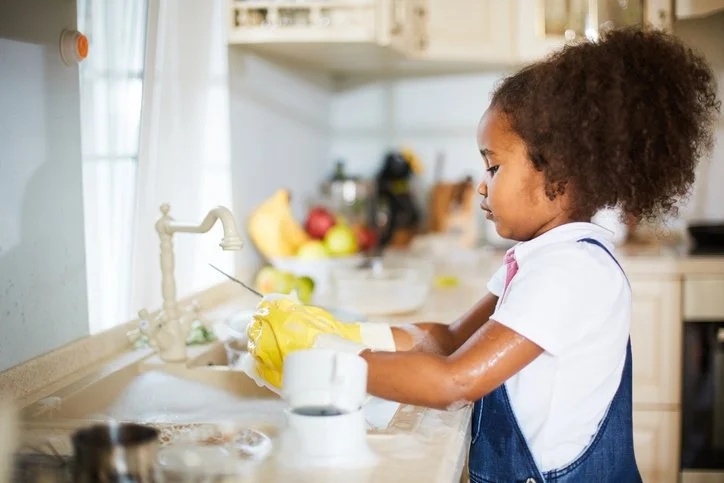
Spring Cleaning: Involving Your Children in Maintaining Their Spaces
The smell of fresh spring air can be rejuvenating. The trees are beginning to bloom again and school is in its final stages of the year. With all those signs of the changing seasons, many of us feel an urge to clean our houses from top to bottom.
Spring cleaning, though, can feel like a momentum task when you have children. The mess can seem bigger and harder to tackle. In reality, though, your children can be great helpers to get your house cleaned.
The advantages of children learning how to clean are massive. One study found that children who completed regular household chores had a sense of mastery, self-reliance, and responsibility.(1) The children of this study started doing chores as early as 3 or 4 years old, and they saw lifelong benefits from it. Some of these benefits included good relationships with friends and family and success in academics and later in their careers.

The smell of fresh spring air can be rejuvenating. The trees are beginning to bloom again and school is in its final stages of the year. With all those signs of the changing seasons, many of us feel an urge to clean our houses from top to bottom.
Spring cleaning, though, can feel like a momentum task when you have children. The mess can seem bigger and harder to tackle. In reality, though, your children can be great helpers to get your house cleaned.
The advantages of children learning how to clean are massive. One study found that children who completed regular household chores had a sense of mastery, self-reliance, and responsibility.(1) The children of this study started doing chores as early as 3 or 4 years old, and they saw lifelong benefits from it. Some of these benefits included good relationships with friends and family and success in academics and later in their careers.
It’s easy to know that your child should be doing chores, but how do you actually encourage them to complete cleaning tasks? Don’t worry, I’ve got some tips for you.
Consider What Tasks Are Age-Appropriate
It is important to consider your child’s capabilities when assigning cleaning tasks. Think about their fine and gross motor skills. Think about their cognitive skills and ability to remember and complete a certain number of tasks at one time.
Then, assign tasks that you know they are able to complete on their own or modify tasks so that they are easier to complete. An example of this could be sweeping the kitchen. You could make this task easier for your child to complete by purchasing a small broom that is easier to maneuver. You could also mark out a big square that they need to debris in instead of expecting them to sweep into a dustpan.
Explain the ‘Why’
Explaining why anything is being done is often very useful with children. They don’t always think through the reasons why they might be asked to do a task. When those reasons are explained to them, though, they will often understand and be more willing to participate.
Be careful with your language to make it clear that cleaning is not a punishment. Cleaning is simply something that everyone must do to keep the house functional. You can talk about germs, and how they make us sick but cleaning gets rid of them.
If you’re decluttering as a part of your spring cleaning, explain this as well. Discuss how more toys and clothes mean more cleaning that needs to happen. Talk about how other children could play with the toys that they no longer do. Consider letting them pick where their toys will be donated to. Discuss different charities and what they do. Or you can host a garage sale and let them keep the money they earn from selling their extra things.
Provide Clear Instructions and Expectations
For younger children, be clear with what tasks need to be completed, how those tasks should be done, and how they can know when the task is done. For example, the playroom needs to be picked up. Your child needs to put all the toys back where they belong. They will know the task is done when there are no more toys on the floor.
The level of explanation prevents you from having to send your child back over and over when you don’t think that the task is completed but they do.
Give opportunities for independence where it is appropriate. If possible, let your children have choices. One possibility would be giving them the list of tasks that need completed and letting them pick the order in which they want to complete them.
Break It Into Small Steps
Especially with younger children, you will likely not be able to give a long list of chores that your child will remember. Your child may not even be able to remember the multiple steps that go into a cleaning task. For example, you may explain how to sweep the kitchen and clean up the dirt pile. By the time they finish sweeping, though, they forget what they were supposed to use to clean up the dirt pile.
This is totally normal. Have patience and remember that you are teaching valuable skills that will take time for your child to master. Remind them of the next step in the process if they forget and provide help where necessary.
Clean With Them
Everything is more fun with a friend by your side!
Your child may find it easier to stay on task and enjoy that work that they’re doing if they get to do it with you. This also reinforces the idea that everyone is a team working together to keep the house clean and functional.
You can do this by both doing the same task, like you both vacuuming at the same time, or splitting a task in half so that you have your job and your child has their job. One task that you could do this with is you spraying water on the windows and your child wiping it off.
Make Cleaning Fun
The more fun cleaning feels, the more willing your child is going to be to participate.
Make the chores into a game. You can set a timer and encourage your child to race to finish before the timer goes off; this will work better with shorter tasks. Or you can both pretend to be a detective looking for something, like expired spices in the cabinet or all the lego pieces in the playroom.
Maintain Cleaning Routines Year-Round
Involving your children in cleaning tasks should not be something that happens just once a year. Consistency will help your child hone their cleaning skills and keep your household functioning well.
Some families find it easier to have daily tasks assigned to a certain person that are completed whenever they have time. Other families spend a big chunk of time cleaning together as one unit. Whichever way works best for your family is fine. Maybe you even devise a mixture of both strategies.
Cleaning skills will serve your child for the rest of their life. Starting early sets them up for success.
Subscribe to my newsletter for all the latest updates on my blogs and podcasts!
References