
How to Get Your Toddler to Sleep: Routine Charts, Sleep Regression and Reassuring Check-Ins
Putting a toddler to bed can be tricky.
And if your toddler is between the ages of 2 and 4, they’ll likely need about 10 to 14 hours of sleep in a 24-hour period.(4)
So how can you make naps or bedtime a treat, not a battle?
It may take some trial and error, and it will definitely take a whole lot of patience and love. But after experimenting with different approaches, you’ll get your toddler’s nap and bedtime routines down pat.

Putting a toddler to bed can be tricky.
And if your toddler is between the ages of 2 and 4, they’ll likely need about 10 to 14 hours of sleep in a 24-hour period.(4)
So how can you make naps or bedtime a treat, not a battle?
It may take some trial and error, and it will definitely take a whole lot of patience and love. But after experimenting with different approaches, you’ll get your toddler’s nap and bedtime routines down pat.
First things first, let’s make sure your toddler’s room is set up safely so they can sleep soundly. They are, after all, notorious explorers. So all that baby proofing you did may need to be kicked up a notch once you have an active toddler.
Making Your Toddler’s Bedroom Safe
Your baby is no longer, well, a baby! Luckily your toddler is no longer at risk for SIDS,(1) but he is more agile and active. So let’s discuss how to create a safe sleeping space as your little one grows.
Double check that your toddler’s crib isn’t near anything he or she can pull on like blinds, cords, or hanging mobiles. Ensure that objects like plants, books, or picture frames aren’t nearby for your curious toddler to push or pull into his crib or on the floor. And don’t keep anything in the crib that could help your toddler climb out. As you already know, toddlers love to explore! He’ll be tempted to stand on stuffed animals, crib bumpers, or pillows to help him climb out of his crib.
Let’s save the big adventures for when mom or dad are around to supervise, shall we?
When Should You Switch to a Toddler Bed?
About one-third of toddlers move to a toddler bed when they’re between the ages of 18 months and 24 months. (2) Another third will transition between the ages of 2 and 2.5.(2) But many sleep experts recommend that you wait until your child is 3 years old (or close to it) before transitioning to a toddler bed.(3)
When you decide to transition your child from a crib to a bed is a personal choice. But if your toddler isn’t attempting to escape his crib, it might be wise to wait as long as you can before transitioning to a bed. Research shows that toddlers in Western countries who sleep in cribs are more likely to have earlier bedtimes and take less time to fall asleep than those who sleep in a bed.(3) They also wake up fewer times in the night and stay asleep for longer stretches of time.(3)
Place the crib mattress on the lowest setting to try to keep your toddler from climbing out of his crib and going on unsanctioned nighttime strolls. But if that doesn’t work and he’s still able to climb out, you may need to transition to a toddler bed.
Create a Toddler Bedtime Routine Chart
Children often struggle with time management. (Who am I kidding, even adults struggle with this!) So having a picture chart of your child’s bedtime routine taped up somewhere where they can see it might be helpful. The picture chart can include things like, “take a bath” and “brush your teeth” and “put on your pajamas” so they know what to do when. After you give them a bath, ask them if they remember what’s next in their routine. If they don’t, remind them to reference the routine chart!
Let your toddler pick their own pajamas and stuffed animal to sleep with as part of their bedtime routine. Giving them the choice might make them happy, and it also gives them the opportunity to practice autonomy.
Most kids like to be read a story or sung a lullaby before bed. Allow your toddler to pick the book, but you pick how many you’re going to read from or how many songs you’re going to sing. Keep firm with this boundary so your child knows what to expect.
How to Tackle Toddler Sleep Regression
Sleep regression is common among children and can happen at 12, 15, and 18 months.(16) It’s also common when your child is 2 and 3 years old.(16) Usually sleep regression only lasts a few weeks. It’s essentially a disruption in your child’s regular sleep schedule so they’re waking up in the night, rising super early in the morning, or refusing naps.(16) It’s unpleasant for parents because it means you’re dealing with an unusually fussy or cranky toddler. And it also will probably disrupt your sleep schedule as well.
Sometimes separation anxiety can cause sleep regression. Toddlers go through this just like babies do. You may find your toddler becomes more clingy or cries for you more often at bedtime because they don’t want to be away from you.(16) Nightmares, potty training, teeth coming in, and other changes that happen during toddlerhood can all play a role in your toddler’s sleep regression.(16)
The faster you can identify the sleep regression, the faster you can address it.
If your toddler is afraid of the dark, for example, can a night light comfort him? What about leaving a light on in the hall? A toddler who is switching from a crib to a bed may go through a longer sleep regression because it’s a big transition. Make sure to also limit screen time and TV before bed as well so you’re not overstimulating your toddler’s brain before bed.
If your child is nervous about sleeping alone, try tucking them in and letting them know you’ll check on them in a couple of minutes.(17) When you do a check-in, it’s brief, no more than 1 to 2 minutes.(17) If your child calls out in the night, don’t reward it with too much attention. Be reassuring but firm. Resist the urge to let your toddler into your bed.(17) You’re keeping a boundary – your toddler has to stay in bed – but you’re also being tender and showing them you’re confident they can handle sleeping alone.
Pretty soon you’ll be able to do brief check ins from the door, and eventually, you won’t have to do check ins at all.
Sleep regressions can also show up as nap refusal.
Just because your toddler is putting up a fight at nap time doesn’t mean you should get rid of naps altogether just yet.(15) Typically, a child won’t need to stop napping until they’re about 4 or 5.(13) 60% of 4-year-olds still take naps and 30% of 5-year-olds still take naps, compared to only 10% of 6-year-olds. If your young toddler is refusing naps, it may be because she’s overtired rather than no longer needing her afternoon snooze. Or she may just not want to miss out whatever fun she thinks the family is having. But it’s best to stick to the nap schedule, despite her protests.(13)
Interested in Learning More?
Check out this podcast episode for more information on toddler sleep, including research about how cribs can support your toddler’s sleep quality and how toddler sleep schedules vary from culture to culture.
Equip yourself with knowledge and tools to help your child thrive. And be sure to subscribe to the Genius Little Minds podcast so you never miss an episode!
References
https://www.sleepfoundation.org/children-and-sleep/when-to-switch-to-toddler-bed
https://my.clevelandclinic.org/health/articles/14302-sleep-in-toddlers--preschoolers
https://harmonylearning.com.au/17-calming-activities-before-bedtime/
https://my.clevelandclinic.org/health/articles/14302-sleep-in-toddlers--preschoolers
https://www.babysleepsite.com/sleep-training/baby-toddler-sleep-cultural-differences/
https://www.healthyway.com/content/global-bedtime-rituals-for-the-littles/
https://www.sleepfoundation.org/children-and-sleep/when-do-kids-stop-napping
https://www.babysleepsite.com/toddlers/5-things-about-2-year-old-toddler-sleep/
https://www.whattoexpect.com/toddler/sleep/toddler-sleep-regression#what
https://www.pampers.com/en-us/toddler/sleep/article/teaching-sleeping-habits-toddler-sleep-training

How To Handle Separation Anxiety Disorder In Your Child: 3 Practical Tips and Strategies
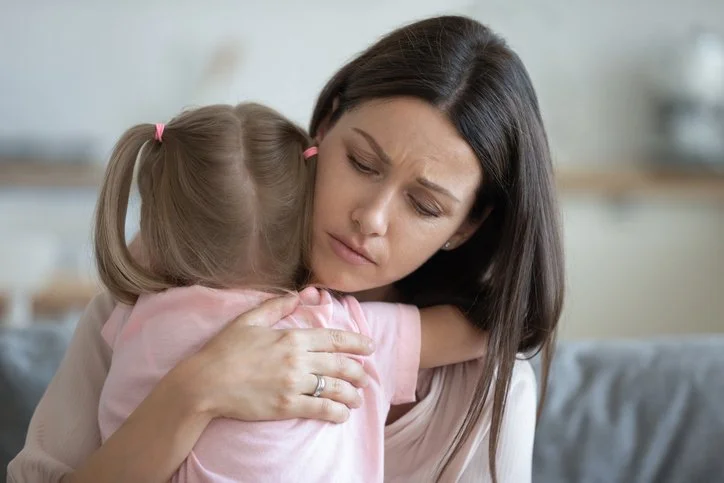
For some children and parents, the drop-off at daycare or school is the worst part of the day. Every. Single. Day.
There are even children that struggle with their parents or caregivers leaving the room or being out of eyesight.
This level of separation anxiety can be mentally and emotionally for both parties.
For some children and parents, the drop-off at daycare or school is the worst part of the day. Every. Single. Day.
There are even children that struggle with their parents or caregivers leaving the room or being out of eyesight.
This level of separation anxiety can be mentally and emotionally for both parties.
If this is you, take a deep breath. I’m here to tell you that there are ways to help your child gain a sense of security and be more comfortable. Let’s walk through the signs, causes, and treatments of separation anxiety disorder together. You can do this!
What Is Separation Anxiety Disorder?
Separation anxiety disorder (SAD) most often presents itself as an intense fear of being physically separated from family or loved ones.(1)
Other symptoms of separation anxiety disorder include:
● Temper tantrums or panic attacks at times of separation(1)
● Refusal to go to school or daycare
● Refusal to sleep alone
● Intense nightmare about separation
● Excessive worry about losing family members
● Frequent headaches, stomachaches, and muscle aches
● Being very clingy when with caregiver
● Refusal to leave home
SAD is diagnosable when a child is experiencing the above symptoms for 4 weeks or longer and the symptoms significantly impact their daily life.(4) Approximately 4 to 5% of children have clinical SAD.(5) Around 65% of children with SAD also suffer from another psychological disorder.(6)
To listen to my Genius Little Minds podcast episode about separation anxiety disorder and other anxiety disorders that children can experience, click here.
What Causes Childhood Separation Anxiety?
You may find yourself asking, ”Does that mean that some separation anxiety is normal?”
Yes! Separation anxiety is often developmentally typical for infants, toddlers, and young children. Infants typically go through a phase between seven and ten months in which separation from the primary caregiver is difficult. During this time, and even into toddlerhood, simply focusing on forming a secure attachment in your child is all the treatment separation anxiety needs. Even up to the age of three, separation anxiety is normal.(2)
Clinical separation anxiety disorder is likely caused by both environmental factors and an imbalance of norepinephrine and serotonin in the brain. The most common time for a child to start exhibiting symptoms of SAD is between the age of seven and ten years old.(1) It can start, though, at any time, even through the teenage years and into adulthood.(2)
It often shows up after a long break from school due to holidays, vacations, or an illness. Significant life events, such as death of a loved one, parents getting divorced, or moving, can also cause SAD.
Separation anxiety disorder has not been found to affect one gender more than the other.(5) A parent having an anxiety disorder does make the child more likely to experience SAD.(1)
How Do You Help a Child With Separation Anxiety?
There are many ways that you can help your child cope with typical childhood separation anxiety.
1. Read Books About Separation Anxiety
Many books have been written on childhood separation anxiety. There is, however, a great need for a therapeutic book that helps the child overcome separation anxiety disorder. Coming out soon is Charlie Cub Is Afraid To Leave His Mother, which uses cognitive behavioral therapy techniques to address this exact issue.
Cognitive Behavioral Therapy (CBT) helps children recognize their thought patterns and identify where and when those patterns help and where they hurt. In other words, how we think and act affects how we feel. My book uses Graded Exposure, which is a stepladder approach, as part of CBT. The child slowly and systematically faces his fears and reduces the symptoms of his anxiety.
In Charlie Cub Is Afraid To Leave His Mother, Charlie Cub wants to go to sleepovers, but he’s afraid to leave his mother. To overcome his fear, he uses a stepladder process to gradually expose himself to being away from his mother. With patience and courage, Charlie manages his anxiety and reaches his goal of going to a pajama party.
Through storytelling, my I’M AFRAID Anxiety Disorder Series teaches children to manage their anxiety symptoms. This book focuses on Separation Anxiety and includes an About Anxiety page along with a Coping Strategies page and a Stepladder page. Parents and mental health professionals will appreciate this series aimed at relieving children’s anxiety symptoms.
Charlie Cub Is Afraid To Leave His Mother can be pre-ordered by clickinghere.
Other good book options for more age-appropriate, non-clinical separation anxiety are:
● The Kissing Hand by Audrey Penn
● Llama Llama Misses Mama by Anna Dewdney
● I Love You All Day Long by Francesca Rusackas
● The Invisible String by Patrice Karst
Social stories
Social stories are stories that show a child exactly what is about to happen. To treat separation anxiety, the social story would show the child getting ready, heading to daycare (or wherever your child goes), getting dropped off, processing their feelings, and then being okay playing. The story could be tweaked and modified to show exactly what your child will be experiencing.
These stories help your child know what’s going to happen, what they may be feeling, and how to handle those emotions.
Many parents and teachers simply draw pictures and bind them together in a book to make a social story catered to one specific child. I know what you’re thinking…I’m no artist! Trust me; your child will love seeing your art as much you love seeing theirs. And the personal, handmade aspect will pique their interest in what the book has to say.
2. Set Expectations, Prepare Them for What Will Happen
Even if you choose not to use social stories or your child is too old for them, just talking about what to expect can serve the same purpose. Try to anticipate what new situations may be stressful to them and have a conversation with them beforehand. Discuss what they may feel in the situation and how they can handle those feelings.
For older children, it can be very helpful to talk about past events. Talk about how every time that you have left them, you have come back to them safe and sound. This often will not work the first time and definitely will not calm a child that is very upset. But reminding them of this often may eventually decrease their anxiety.
3. Get Them Help from a Professional
It can be difficult to determine when your child is just wanting to spend more time with you and when they are truly struggling with separation anxiety. To read more about how to tell when your child is just going through a phase and when they need mental health help, check out my article here.
Knowing that seeking outside help is the next step you need to take can be scary. But your pediatrician can help guide you. Oftentimes your child will be evaluated to rule out any physical problems.
Then your child’s doctor may suggest different treatment options, such as cognitive-behavioral therapy, medication, family therapy, or interventions at school. It is important to get your child the proper treatment as untreated SAD can lead to panic disorder or another anxiety disorders in adulthood.(3)
Separation anxiety can feel like an insurmountable issue when your child is experiencing it. But rest assured! There are paths to getting your child happy and healthy again.
Pre-order Charlie Cub Is Afraid To Leave His Mother HERE. To check out other books in the I’M AFRAID anxiety disorder series, visit: www.DrMadeleineVieira.com/books/imafraid
To stay up-to-date on all my articles on childhood mental health, be sure to subscribe to my newsletter!
References
https://childmind.org/guide/quick-guide-to-separation-anxiety-disorder/
Masi, G., Mucci, M. & Millepiedi, S. Separation Anxiety Disorder in Children and Adolescents. Mol Diag Ther 15, 93–104 (2001). https://doi.org/10.2165/00023210-200115020-00002
Francis, G., Last, C.G. & Strauss, C.C. Expression of separation anxiety disorder: The roles of age and gender. Child Psych Hum Dev 18, 82–89 (1987). https://doi.org/10.1007/BF00709952
Mohammadi MR, Badrfam R, Khaleghi A, Hooshyari Z, Ahmadi N, Zandifar A. Prevalence, Comorbidity and Predictor of Separation Anxiety Disorder in Children and Adolescents. Psychiatr Q. 2020 Dec;91(4):1415-1429. doi: 10.1007/s11126-020-09778-7. PMID: 32418141.

Infant Development: 7 to 9 Month Old Milestones and How to Support Your Child's Development
And just like that, your baby is 7 months old and already more than halfway to his first birthday! Gone are the days where you could introduce him to strangers without much of a fuss—you may find he’s clingier than you’re used to and doesn’t like to be separated from you. 7 months also marks a more mobile and inquisitive time—say goodbye to letting him play quietly in one spot while you go about your day.

And just like that, your baby is 7 months old and already more than halfway to his first birthday! Gone are the days where you could introduce him to strangers without much of a fuss—you may find he’s clingier than you’re used to and doesn’t like to be separated from you. 7 months also marks a more mobile and inquisitive time—say goodbye to letting him play quietly in one spot while you go about your day. Baby proofing the house becomes a must at this stage if you haven’t already. Pro tip: get on your hands and knees to see things from the baby’s vantage point to make your home as safe as possible for your little one.
Infant Development: Your Baby From 7 to 9 Months
Fostering an environment that encourages safe, age-appropriate learning and play is vital for your infant’s development.
The Joys of Exploration (and How to Do It Safely!)
Baby is on the move! Around this age, they might scoot, crawl, or roll to get from point A to point B and it will be fun to witness. Make sure to babyproof sharp corners and cabinets within reach (especially ones with toxic cleaners or other chemicals), secure furniture, cover electrical outlets, and use a baby gate to block off stairs.
At this age, your baby will sit on their own, reach for toys (and other objects they shouldn’t grab, like your dangly earrings or the kitty cat’s tail!) and want to explore the world. All things colorful and textured will capture their attention as their eyesight continues to improve.
Around 8 months old, your baby will start to comprehend object permanence—meaning if you hide a toy under a blanket, he will know to look for it. He may even try to pull the toy out of its hiding place! Another exciting thing to look out for is when baby passes a toy from one hand to the other. What a beautiful display of hand-eye coordination! Make sure to not leave small objects around as baby’s ability to pick them up and put them in his mouth is improving.
Is It Normal for My Baby to Cry Around Strangers?
Your in-laws or beloved babysitter used to come over all the time with no protests from your infant. But now your 7-month-old cries and screams when you try to do the hand off—and you’re starting to wonder if date night will ever be possible again.
Sound familiar?
Around this time, your baby may start to display anxiety or wariness of strangers. As distressing as this is (for both you and baby,) this is actually a normal part of their development!
You may be wondering, but why now?
Because your 7-month-old is now able to recognize faces. And they strongly prefer their parents’ or caregivers’ faces over anyone else’s.
Anxiety around strangers is common and expected in children this age. (It’s common through age 2!) This is not a sign of emotional issues. It’s part of your child’s cognitive development—and a normal part, at that!
Here are some tips for dealing with stranger anxiety:
Allow your baby to meet strangers in a safe and familiar environment, such as your own home. This will help them feel more comfortable and secure.
Hold and comfort your baby when introducing them to someone new.
Act friendly and calm. This sends a message to your baby that the person they’re meeting is safe and trustworthy.
Distance yourself temporarily from a visitor if your baby becomes upset around them. Comfort and soothe your baby and when they’ve calmed down, you can try the introduction again by engaging in an activity together.
If you’re going somewhere unfamiliar where you’ll be around a lot of new people, bring a transitional object such as a favorite toy or blanket to offer extra comfort.
Infant Development: Milestones From 7 to 9 Months
According to the CDC, there are a few milestones to watch out for at this age:
Social/Emotional Checklist:
May display anxiety or fear around strangers and be clingy with adults they know
Has favorite toys
Language/Communication Checklist:
Understands what the word “no” means
Babbles with varying sounds
Points to things
Copies the gestures or sounds others’ make
Movement and Physical Development Checklist:
Stands up by themselves while holding on to something
Pulls themselves up to stand
Sits down by themselves without support
Crawls
Cognitive Checklist:
Able to track an object
After seeing you hide something, looks for it
Plays peek-a-boo
Can transfer an object from one hand to the other
Picks things up between index finger and thumb
What You Can Do to Encourage Healthy Development in Your 7 to 9-Month-Old
Encourage Crawling
Play and movement continues to be vital for your baby’s development. Continue to do supervised tummy time, and position toys out of reach so he’s encouraged to army crawl or creep toward them.
Babyproof Your Home
Children are naturally curious, and as your child becomes more mobile, it’s important to keep him safe. You’ll want to encourage exploration in an environment that is properly babyproofed. He’ll be tempted to explore and get into just about everything, so creating a safe environment free from choking hazards and other dangers is key.
Explore Cause and Effect
Your baby’s confidence will grow as he discovers he has an influence on his environment. Build a short tower of blocks and then push it over. Play with toys together to show your baby that his actions can cause a reaction.
Read Often
Reading aloud for a few minutes every day is an effective way to positively influence your baby’s language development. Use sound effects, make facial expressions, and read from colorful picture books to keep your child engaged.
Keep Talking
Narrate parts of your day to your baby! Say something and then give him time to respond by repeating sounds. Ask him questions. Even though he isn’t using words to respond back to you, the imitation of a back-and-forth conversation is crucial for his language development.
Don’t have a 7-month-old yet? Don’t miss the post on infants from 0 to 6 months!
References
(2021, October). Important Milestones: Your Baby By Nine Months. Centers for Disease Control and Prevention.https://www.cdc.gov/ncbddd/actearly/milestones/milestones-9mo.html
Bielecki, C. (2019, October). Baby Growth and Development: 4-7 Month Milestones. Parents. https://www.parents.com/baby/development/growth/4-7month-milestones/?slide=slide_596033b9-b18b-4905-aa79-c02590b1ab64#slide_596033b9-b18b-4905-aa79-c02590b1ab64
Parents’ Guide to Crawling. Pathways.org. https://pathways.org/watch/parents-guide-to-crawling/
(2020, June). Infant development: Milestones From 7 to 9 Months. Mayo Clinic. https://www.mayoclinic.org/healthy-lifestyle/infant-and-toddler-health/in-depth/infant-development/art-20047086
Bowers, E. (2014, July). 10 Ways to promote baby development. Everyday Health. https://www.everydayhealth.com/hs/your-developing-baby/ways-to-promote-baby-development/